

Sugar, a staple in many kitchens worldwide, plays a pivotal role in our diet. From the granulated white sugar we sprinkle on our morning cereals to the rich brown sugar that sweetens our baked goods, the varieties of sugar are vast and diverse. However, not all sugars are created equal. As we delve into the different types of sugar, it becomes evident that understanding their unique properties, nutritional values, and impacts on health is crucial. This article aims to shed light on these sugar types, their uses, and their implications for our overall well-being. Whether you’re a culinary enthusiast or someone mindful of dietary choices, gaining insights into the world of sugars can guide healthier food decisions and enrich your culinary experiences.

Natural Sugars vs. Added Sugars
-
Definition and Distinction: Natural sugars are found inherently in foods, like fructose in fruits and lactose in milk. Added sugars, on the other hand, are incorporated into foods during processing or preparation.
-
Examples and Sources:
- Natural Sugars: Fructose in fruits, lactose in dairy products.
- Added Sugars: Sodas, candies, and baked goods often contain sugars like white sugar, brown sugar, and syrups.

Comprehensive List of Sugar Types
White Sugars:
- Granulated Sugar: Commonly found in sugar bowls and widely used in cooking and baking.
- Confectioners’ Sugar: A finely ground sugar, ideal for icings and whipped cream.
- Superfine Sugar: Dissolves easily, perfect for delicate desserts and cold beverages.
Brown Sugars:
- Light and Dark Brown Sugars: Derived from molasses, they are moist and can retain this moisture in baked goods, making them chewy. The dark variant has a stronger molasses flavor, ideal for robust dishes like baked beans.
- Turbinado Sugar: A partially processed sugar retaining more molasses, giving it a distinct flavor.
- Muscovado Sugar: An unrefined sugar with a strong molasses flavor and a sandy texture.
Liquid Sugars:
- Liquid Sugar: Essentially granulated sugar dissolved in water, often used in beverages.
- Invert Sugar: A mix of glucose and fructose, it’s sweeter than regular sugar and is used by food manufacturers to retain moisture in packaged foods.

The Nutritional Impact of Different Sugars
Blood Sugar Levels:
Different sugars can have varying effects on blood sugar levels. For instance, fructose, found in fruits, has a lower glycemic index than sucrose, meaning it has a slower impact on blood sugar.
Glycemic Index:
This is a measure of how quickly a food causes blood sugar to rise. Sugars with a high glycemic index can lead to rapid spikes in blood sugar, while those with a lower index provide a more gradual increase.
Relation to Health Conditions:
Excessive sugar consumption, especially of high-glycemic sugars, can increase the risk of conditions like diabetes, obesity, and heart diseases. It’s essential to understand which sugars are in our foods and make informed choices.
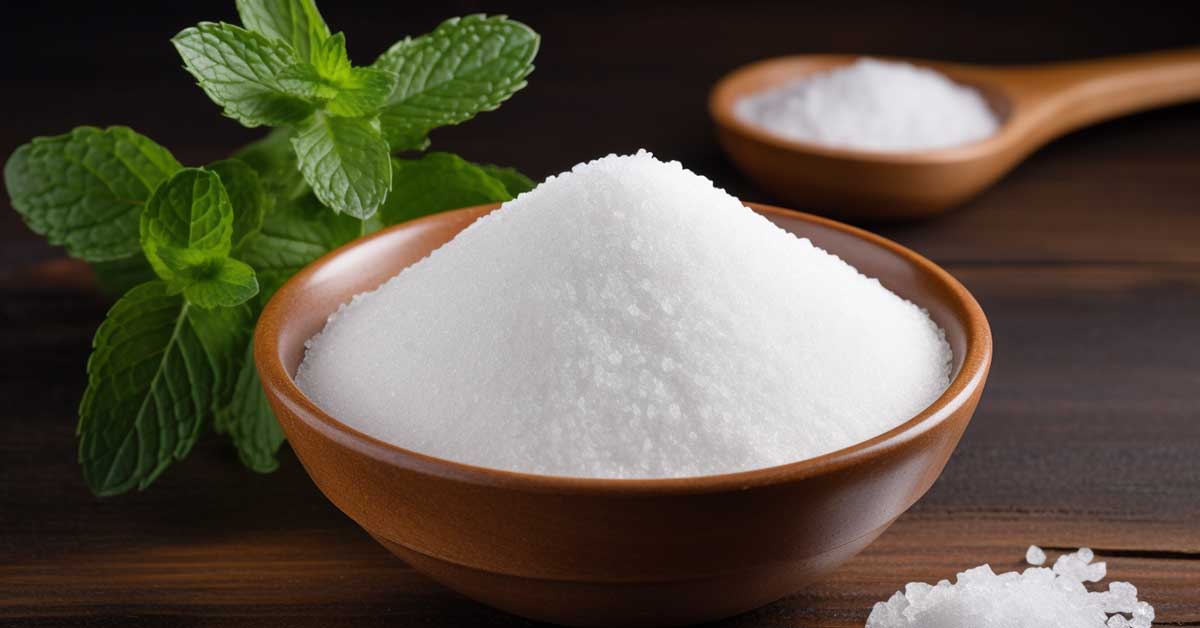
Alternative Sweeteners and Their Health Implications
Natural Alternatives:
- Honey: A natural sweetener that contains antioxidants and can have a lower impact on blood sugar compared to refined sugars.
- Maple Syrup: Contains minerals and antioxidants but is still high in sugar.
- Agave Nectar: Sweeter than sugar and has a lower glycemic index, but it’s high in fructose.
Artificial Sweeteners:
- Aspartame: A low-calorie sweetener used in many diet products. Some studies suggest it’s safe, while others link it to health issues.
- Stevia: A natural, zero-calorie sweetener derived from the leaves of the Stevia plant. It doesn’t raise blood sugar levels.
- Saccharin: One of the oldest artificial sweeteners. Some early studies linked it to cancer in rats, but it’s considered safe for human consumption.
Pros and Cons:
While alternative sweeteners can offer fewer calories and a lower glycemic index, it’s crucial to understand their potential health implications. Some can have side effects or interact with medications.

The Role of Sugar in Weight Management
Caloric Content:
- Sugars are a source of calories, and excessive consumption can lead to weight gain if not balanced with physical activity.
Hidden Sugars:
- Many processed foods contain added sugars that can unknowingly increase our daily caloric intake. Reading labels is essential.
Reducing Sugar Intake:
- Strategies include opting for natural sweeteners, reducing sugary beverages, and being aware of sugars in processed foods.

Sugar and Dental Health
The Sugar-Cavity Connection:
Bacteria in our mouths feed on the sugars we consume, producing acids that can erode tooth enamel, leading to cavities.
Frequency Over Quantity:
It’s not just the amount, but the frequency of sugar consumption that can affect dental health. Sipping on sugary drinks throughout the day can be more harmful than consuming them in one go.
Protecting Your Teeth:
Regular brushing, especially after meals, using fluoride toothpaste, and regular dental check-ups can help combat the negative effects of sugar on dental health.

Understanding Sugar Labels
-
Added Sugars: New nutrition labels now differentiate between natural sugars and added sugars, helping consumers make informed choices.
-
Decoding Ingredients: Sugars can be listed under various names on ingredient lists, including high fructose corn syrup, cane sugar, and agave nectar, among others.
-
Percentage Daily Value: This indicates how much a nutrient in a serving of food contributes to a daily diet. For sugars, it’s based on the recommendation that added sugars should not exceed 10% of total daily caloric intake.
The Global Perspective on Sugar Consumption
-
Worldwide Consumption Trends: While sugar consumption is on the rise in many developing countries, some developed countries are seeing a decline due to health awareness campaigns.
-
Cultural Differences: The types and amounts of sugars consumed can vary widely between cultures, influenced by dietary habits, availability, and traditional cuisines.
-
Health Implications: Globally, there’s a growing concern about the health implications of excessive sugar consumption, leading to initiatives like sugar taxes in certain countries.
Conclusion and Recommendations
-
Balanced Approach: While sugars can be part of a balanced diet, it’s essential to be aware of the types and amounts we’re consuming.
-
Informed Choices: With the plethora of sugar types and alternatives available, consumers can make informed choices that align with their health goals.
-
Future of Sugar: As research continues and our understanding deepens, the role of sugar in our diets may evolve. Staying informed and adaptable is key.



0 Comments