
Soaking nuts and seeds before consumption
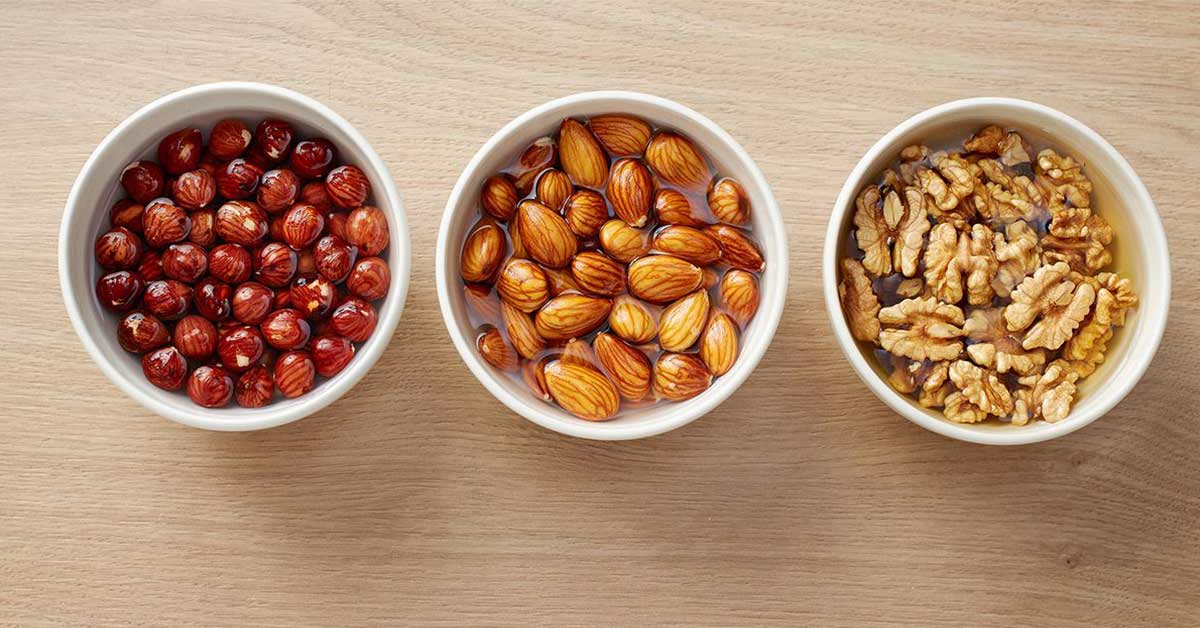
Activation of nuts and seeds is a topic that concerns many who want to get the most out of these products. Why is it necessary to soak nuts and seeds before consumption? How long should nuts and seeds be soaked? And another main question – how to dry nuts after soaking. Let’s examine everything in order!
All nuts and seeds are nutritious and have a large number of essential nutrients for the human body. But all nuts and seeds have “protective properties” to prevent them from being “eaten”. Therefore, soaking nuts and seeds is the neutralization of anti-nutrients such as phytates, tannins, goitrogens, and phytins.
All nuts and seeds contain phytic acid
Phytic acid in them is the main form of phosphorus storage. In this form, the compound is called phytate. The “arms” of the phytic acid molecule also easily bind to other minerals such as calcium, magnesium, iron and zinc, inhibiting their absorption.
Phytates are a source of energy for the germinating seed. The task of this system is to preserve the seed embryo until favorable conditions for germination occur. These conditions are moisture, warmth, and a slightly acidic environment. When seeds germinate, the enzyme phytase is released, which releases phosphorus and other elements for use by the young plant.
Distribution and Concentration of Phytic Acid in Plant-Based Foods
The phytic acid content in plants varies greatly. The most concentrated sources of phytic acid are whole grains and legumes. In most cereals, phytic acid is contained in the grain shell, that is, in the bran. In legumes, it is contained directly in the seed (bean).
Why is soaking nuts and seeds necessary?
When soaking, we clean from external contaminants – mold and dirt. Nuts that float are not suitable for consumption: these are old and low-quality nuts.
Soaking raw nuts and seeds increases the nutritional content of vitamins such as vitamins A, C, and especially B vitamins.
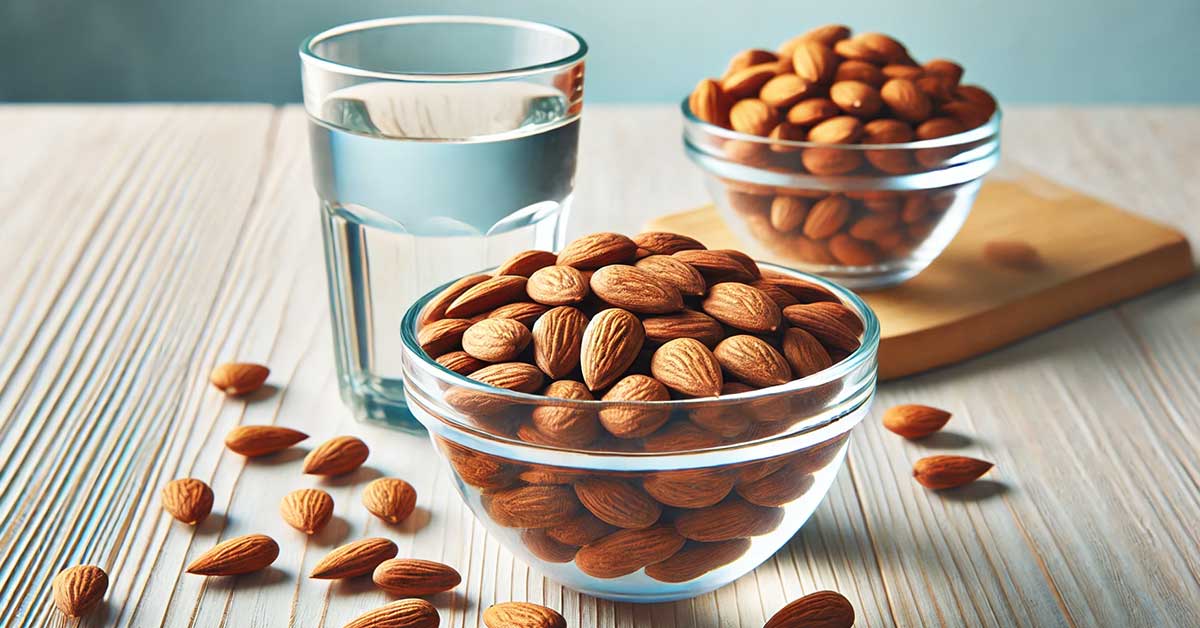
Soaking nuts and seeds in warm salted water activates beneficial enzymes that neutralize inhibitors and make such food easy to digest and prepare.
Soaking grains in a warm acidic aqueous solution (for example, with lemon juice) also triggers the production of these friendly enzymes and beneficial bacteria that neutralize phytic acid that burdens the digestive system.
If you neglect the activation of nuts, you can get a deficiency of iron, zinc, calcium and phosphorus, irritable bowel syndrome and other unpleasant consequences.
Plan for activating nuts and seeds:
- Rinse nuts under running water;
- Place nuts in a glass container, add salt and a drop of lemon juice.
- Place the bowl in a room temperature area and cover with a breathable cotton or kitchen towel.
- Soak for the recommended amount of time to make the products as safe as possible. The water will absorb all toxic enzyme inhibitors. Therefore, thorough rinsing is very important.
- Drain the water and thoroughly rinse the nuts or seeds until the water runs clear.
After soaking
The most common question is how to dry nuts after soaking? I suggest the following plan:
- Dry activated nuts on the kitchen table, placing them on a towel.
- Or heat them in the oven at a temperature not exceeding 40°C for 20-60 minutes.
- Store dried nuts in a glass jar in the refrigerator for no more than 10 days.
All nuts that float during the soaking process are not suitable for consumption.Soaking time for nuts and seedsSoaking time for grains and legumes
Soaking time for nuts and seeds
The soaking time for nuts and seeds varies depending on the type. Generally, nuts require 8-12 hours of soaking, while seeds often need less time. For example, almonds and hazelnuts benefit from 8-12 hours of soaking, while cashews only need 2-4 hours to avoid becoming too soft. Sunflower and pumpkin seeds typically require about 8 hours. It’s important to note that some nuts, like macadamia and brazil nuts, don’t necessarily require soaking but can still benefit from a short soak of 2-4 hours. Always use room temperature water and add a pinch of salt to aid in the activation process.
| Product | Soaking time (hours) | Sprouting time (days) |
|---|---|---|
| Brazil nuts | 3 | No sprouting |
| Walnuts | 4 | No sprouting |
| Buckwheat | 6 | 2-3 |
| Cashews | 2-4 | No sprouting |
| Quinoa | 4 | 2-3 |
| Flaxseed | 1/2 | No sprouting |
| Macadamia | 2 | No sprouting |
| Almonds | 8-12 | Either no sprouting or 3 days |
| Chickpeas | 8 | 2-3 |
| Pecans | 6 | No sprouting |
| Sesame seeds | 8 | 2-3 |
| Sunflower seeds | 8 | 12-24 hours |
| Pumpkin seeds | 8 | 3 |
| Pistachios | 8 | No sprouting |
| Hazelnuts | 8-12 | No sprouting |
| Pine nuts | 3-4 | No sprouting |
| Chia seeds | 5-6 | No sprouting |
Soaking time for grains and legumes
The soaking time for grains and legumes is generally longer than for nuts and seeds. Most grains benefit from 8-24 hours of soaking, while legumes often require 12-24 hours. For instance, brown rice and quinoa should be soaked for about 8 hours, while harder grains like wheat berries or spelt may need up to 24 hours. Legumes such as chickpeas, kidney beans, and soybeans typically require 12-24 hours of soaking. Lentils and split peas, being smaller, usually need only 6-8 hours. Remember to discard the soaking water and rinse thoroughly before cooking. This process not only reduces cooking time but also enhances digestibility and nutrient absorption.
| Product | Soaking Time |
|---|---|
| Buckwheat | 6-8 hrs. |
| Quinoa | 2 hrs. |
| Amaranth | 3 hrs. |
| Wild Rice | 9 hrs. |
| Peas | 5 hrs. |
| Oats | 6 hrs. |
| Rolled Oats | 1-2 hrs. |
| Millet | 8 hrs. |
| Bulgur | 7 hrs. |
| Barley | 6-8 hrs. |
| Pearl Barley | 6-8 hrs. |
| Wheat | 7 hrs. |
| Kamut | 7 hrs. |
| Lentils | 8 hrs. |
| Millet | 8 hrs. |
| Rye, Spelt | 8 hrs. |
| Emmer | 8 hrs. |
| Fenugreek | 8 hrs. |
| Adzuki Beans | 8 hrs. |
| Proso Millet | 8-12 hrs. |
| Beans | 8-10 hrs. |
| White Rice | 9 hrs. |
| Brown Rice | 12 hrs. |
| Chickpeas | 12 hrs. |
| Corn | 12 hrs. |
| Soybeans | 12 hrs. |
| Mung Beans | 1 day |
Is soaking raw nuts and seeds a new idea for you? Write in the comments below.