Fibermaxxing: How to Increase Fiber Without Bloating
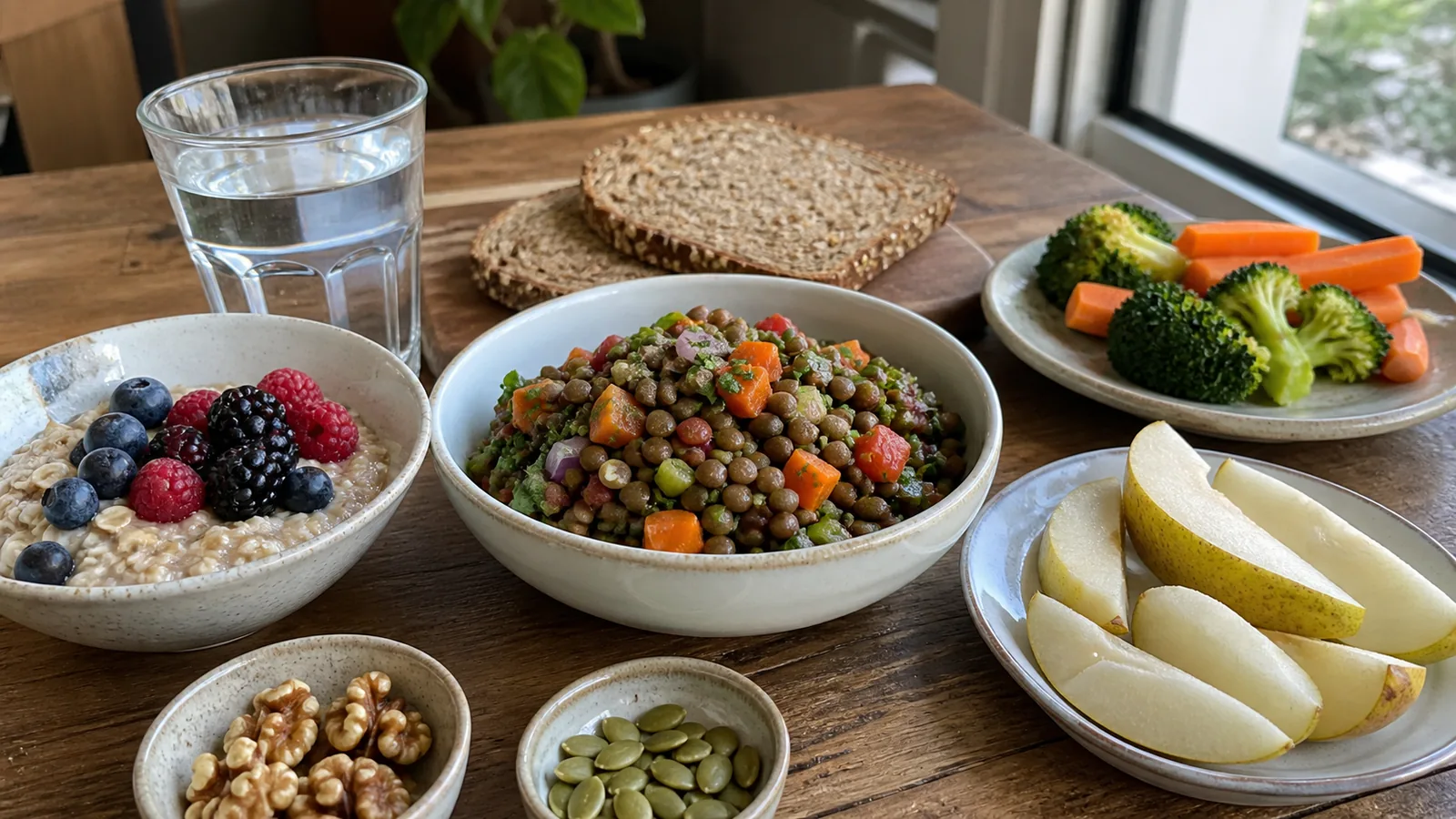
Fibermaxxing means deliberately eating more dietary fiber, but the safest goal is not to “max out” fiber. It is to move toward an amount that suits your age, health and national guidance while giving your digestive system time to adapt.
To increase fiber without bloating, begin with your current pattern, add one modest change at a time, spread higher-fiber foods across the day and drink enough for your own needs. If a change causes uncomfortable gas, pain or bowel disruption, pause at that level or step back rather than forcing progress.
What does fibermaxxing mean?
Fibermaxxing is an informal wellness-trend name for intentionally increasing fiber intake. Unlike a clinical nutrition term, it has no standard definition, dose or protocol. Online versions may involve adding beans, vegetables and whole grains, tracking fiber grams, using powders, or trying to reach a very high number as quickly as possible.
The first approach can be constructive; the last can be uncomfortable or inappropriate. Dietary fiber is a diverse group of carbohydrates and related plant components that human digestive enzymes do not fully break down. Different fibers hold water, form gels, add bulk or are fermented by gut microbes in different ways. Treating them as one interchangeable ingredient misses much of what determines tolerance.
A balanced interpretation of the trend is simple: notice whether fiber-rich foods are missing, then add them in a way you can sustain. The target is an appropriate intake, not a competition.
Why did fibermaxxing become popular?
Fiber followed protein into the social-media spotlight. In June 2026, Google reported that US searches for dietary fiber had reached an all-time high and searches for “fibermaxxing” had risen 115% over the previous 90 days. The trend packages familiar nutrition advice in the language of optimization: find a number, track it and increase it.
That visibility can be helpful because many eating patterns are low in legumes, whole grains, vegetables, fruit, nuts and seeds. It can also flatten a nuanced topic into “the most fiber wins.” National targets are population references, not a reason to double your intake overnight, and food tolerance is not a test of willpower.
Fibermaxxing benefits: what the evidence actually supports
The strongest case for fiber is less dramatic than trend claims and more useful in real life.
- Bowel function: a 2025 Agency for Healthcare Research and Quality review found moderate-strength evidence that increasing total or added fiber can improve stool consistency, stool weight, bowel frequency and transit time in people with normal bowel function. The effect depends on the source and dose.
- Specific metabolic effects: some viscous, gel-forming fibers can reduce the absorption rate of nutrients and help lower elevated LDL cholesterol. These effects belong to particular fibers and conditions of use, not to every product labeled “fiber.”
- Long-term dietary patterns: umbrella reviews associate higher-fiber diets with lower cardiovascular and all-cause mortality risk. Much of this evidence is observational and comes from fiber-rich foods, so it does not prove that adding an isolated powder recreates the whole benefit.
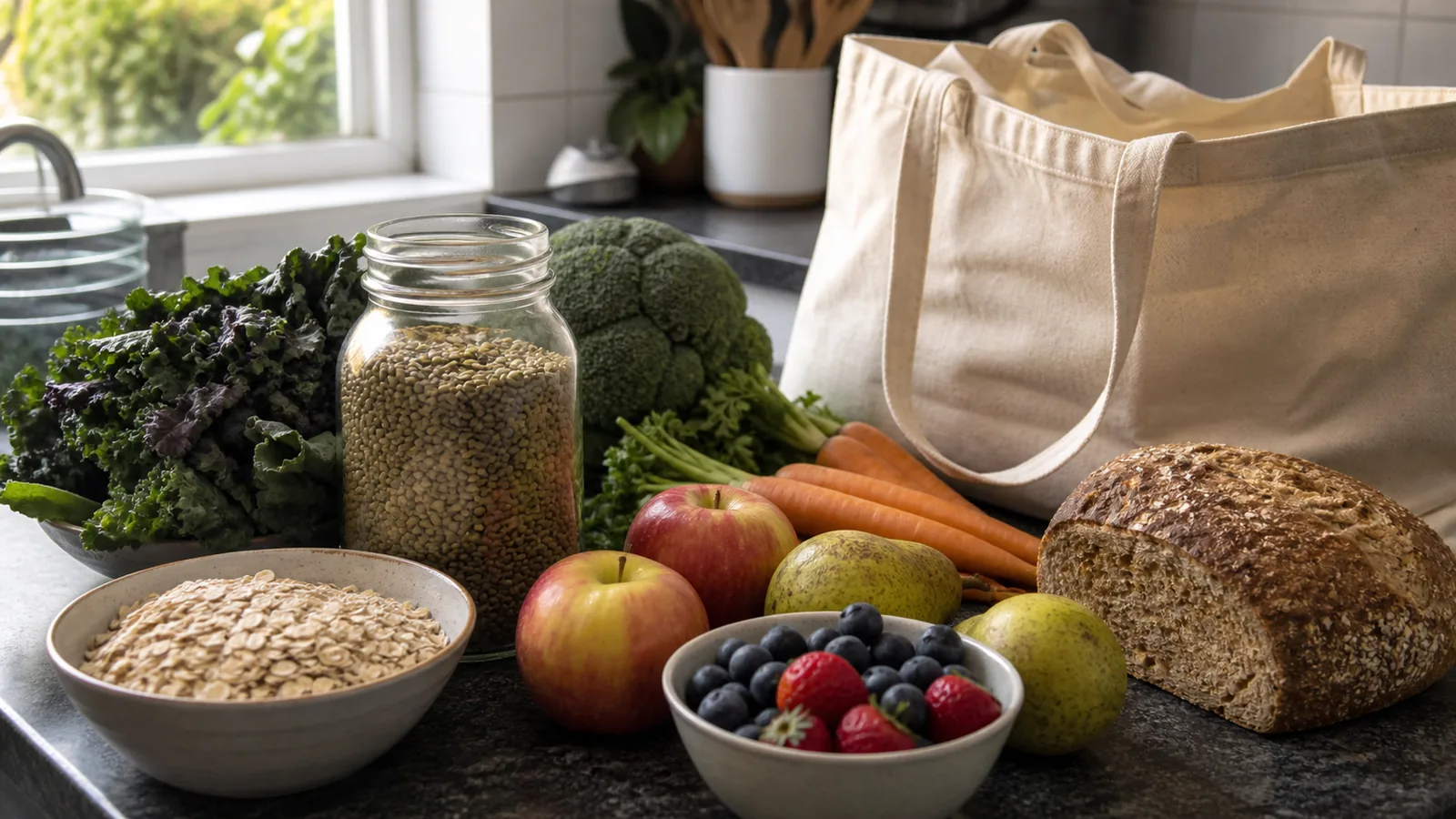
- Food quality and variety: beans, whole grains, vegetables, fruit, nuts and seeds contribute vitamins, minerals and plant compounds alongside fiber. A food-first increase often improves more than one part of the diet at once.
Fiber is not a detox, a guaranteed weight-loss method or a universal “gut-healing” treatment. Microbiome responses vary between people, and more gas is not proof that a food is cleansing or that you should keep increasing the dose.
How much fiber do adults need?
Recommendations differ because countries use different reference systems, analytical methods and population assumptions. Age, sex, energy intake, pregnancy, breastfeeding, health status and individual tolerance can all change what is appropriate.
| Region | Current adult reference | How to interpret it |
|---|---|---|
| United States | The FDA Nutrition Facts Daily Value is 28 g on a 2,000-calorie diet. US Adequate Intakes span roughly 21–38 g for adults by age and sex. | The label value helps compare packaged foods; it is not a personalized prescription. Energy needs and life stage matter. |
| United Kingdom | 30 g a day for adults, measured using the AOAC method. | UK labels use “fibre.” The analytical method differs from some older or international figures, so direct comparisons need care. |
| Canada | Health Canada lists 25 g for women and 38 g for men; the DRI tables give 21 g for women and 30 g for men after age 50. | These are Adequate Intakes for generally healthy people. Health and lifestyle characteristics may require tailoring. |
You do not need to treat one of these numbers as a pass-or-fail line. If your usual intake is much lower, the most useful first step is a tolerable increase, not an instant jump to the endpoint.
Soluble, insoluble, fermentable and less-fermentable fiber
“Soluble versus insoluble” describes what a fiber does in water. “Fermentable versus less fermentable” describes how readily gut microbes break it down. These are separate characteristics, and foods usually contain a mixture.
| Property | What it means | Food or ingredient examples | Why it matters |
|---|---|---|---|
| Soluble | Dissolves or disperses in water; some soluble fibers become viscous and form a gel. | Oats, barley, beans, lentils, fruit and psyllium provide different soluble fibers. | Viscous forms can affect stool consistency, nutrient absorption and cholesterol. Not every soluble fiber forms a useful gel. |
| Insoluble | Does not dissolve in water and may remain as particles. | Coarse wheat bran, many whole grains, vegetable structures and fruit skins. | Particle size and water-holding properties influence whether it adds useful stool bulk. Insoluble is not automatically harsh. |
| Readily fermentable | Gut microbes break it down relatively quickly, producing metabolites and often gas. | Inulin, fructooligosaccharides and some fibers in legumes, onions, garlic, wheat, fruit and vegetables. | A large or sudden dose may cause more gas, particularly in a sensitive person. Fermentable does not mean unhealthy. |
| Less fermentable | Remains more intact as it moves through the colon. | Cellulose, coarse wheat bran and psyllium are common examples with different water and gel behavior. | Some people find a slower-fermented source more comfortable, but less fermentable does not guarantee symptom-free use. |
No category is always “good” or “bad.” Oat beta-glucan is soluble, viscous and fermentable; psyllium is soluble, gel-forming and poorly fermented; coarse wheat bran is largely insoluble and poorly fermented. Their effects are not interchangeable.
Why increasing fiber too quickly can cause gas or bloating
A sudden increase changes several things at once. Fermentation can produce gas. Some fibers retain water or increase stool volume. Large servings of beans, onions, certain fruit or wheat may also add fermentable carbohydrates that can trigger symptoms independently of the fiber number. A supplement can deliver a concentrated dose faster than a normal meal.
This can lead to gas, abdominal pressure, bloating, cramping, looser stools or constipation. Symptoms do not necessarily mean fiber is harmful, but they are useful feedback about the dose, source or pace. If discomfort is significant, do not keep escalating simply to meet a tracker target.
It is also possible to blame fiber for a symptom that has another cause. Persistent bloating, pain, vomiting, bleeding, unexplained weight loss or a major bowel change deserves medical evaluation rather than repeated dietary experiments.
A gradual way to increase fiber without bloating
- Learn your starting pattern. Look at two or three typical days. Notice which meals already contain whole grains, legumes, vegetables, fruit, nuts or seeds. Precise tracking is optional.
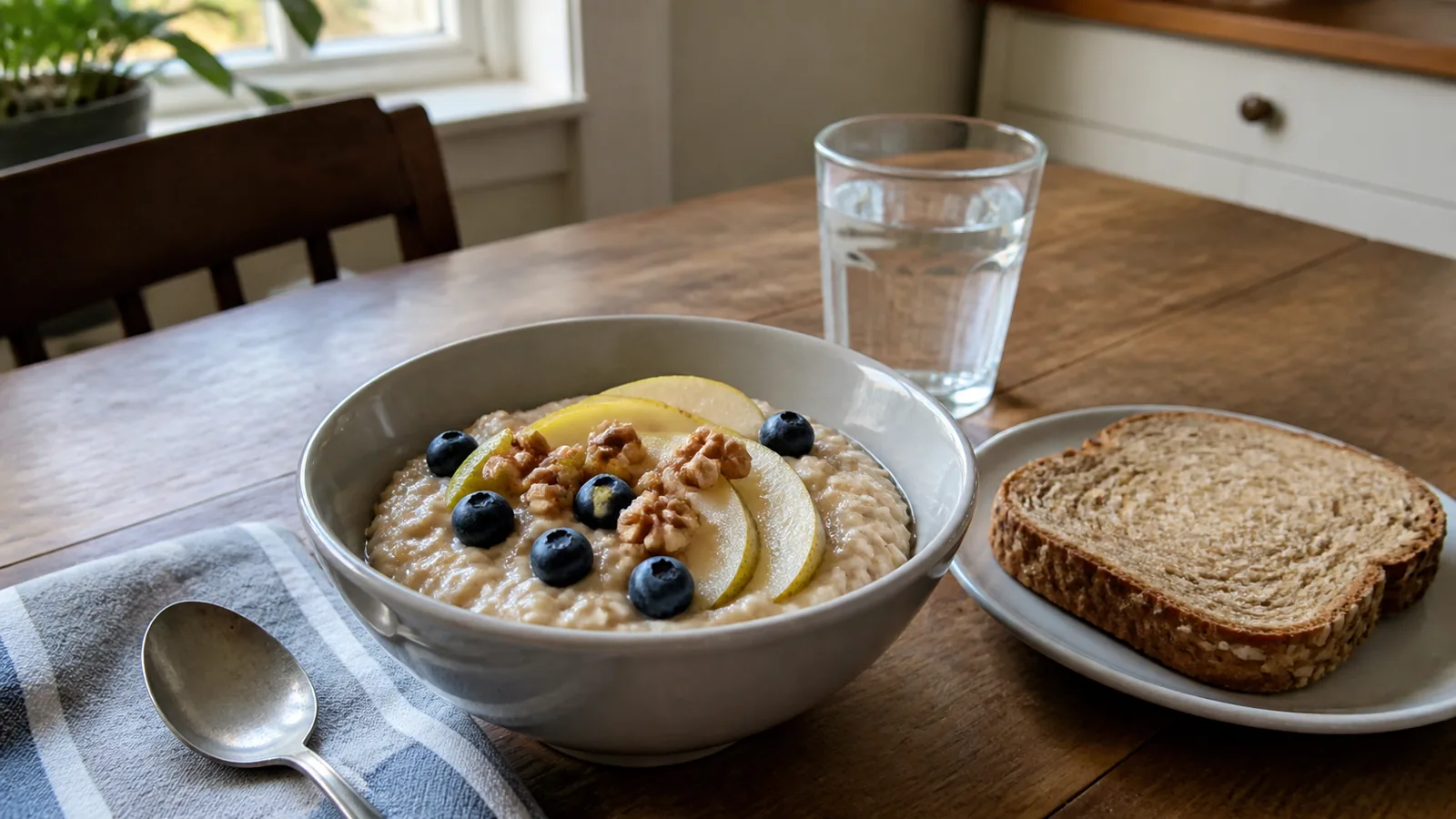
- Choose one anchor meal. Add oats at breakfast, a piece of fruit with lunch, vegetables at dinner or a small serving of beans to a familiar dish. Do not overhaul every meal simultaneously.
- Hold the change for several days. NIDDK guidance for people with IBS notes that an increase of about 2–3 grams per day may help reduce gas and bloating. Treat that as a cautious example, not a universal prescription; some people need a slower pace.
- Spread sources across the day. Several ordinary portions are often easier than one very large high-fiber meal or shake.
- Use symptoms as information. Mild temporary gas may settle. Pain, persistent distension, repeated diarrhea or worsening constipation is a reason to pause, reduce the change or seek advice.
- Add variety only after tolerance is clear. Once one change feels normal, add a different food source rather than only increasing the same ingredient.
Food-first fibermaxxing swaps
These are small substitutions, not a full-day menu. The future How to Get 30 Grams of Fiber a Day guide will own exact meal composition and quantities.
| Current habit | Gradual food-first option | Make it gentler |
|---|---|---|
| Low-fiber breakfast cereal | Mix it with oats or a higher-fiber cereal rather than replacing the whole bowl immediately. | Start with a partial mix and keep the serving familiar. |
| White toast | Replace one slice with whole-grain bread. | Compare labels and choose a texture you enjoy enough to repeat. |
| Plain rice or pasta | Add cooked vegetables or a modest spoonful of lentils or beans. | Rinse canned legumes and begin with a smaller portion. |
| Snack without a plant food | Add fruit, a few nuts or seeds. | Choose one addition rather than combining several concentrated sources. |
| Soup or stew | Add barley, beans, lentils or extra vegetables. | Cook ingredients until tender and increase the amount across several meals. |
For a broader foundation, see my practical healthy eating tips. If you prefer seasonal variety, the Seasonal Foods Guide can help you rotate vegetables and fruit without turning meals into a fiber calculation.
Hydration matters, but there is no universal eight-glass rule
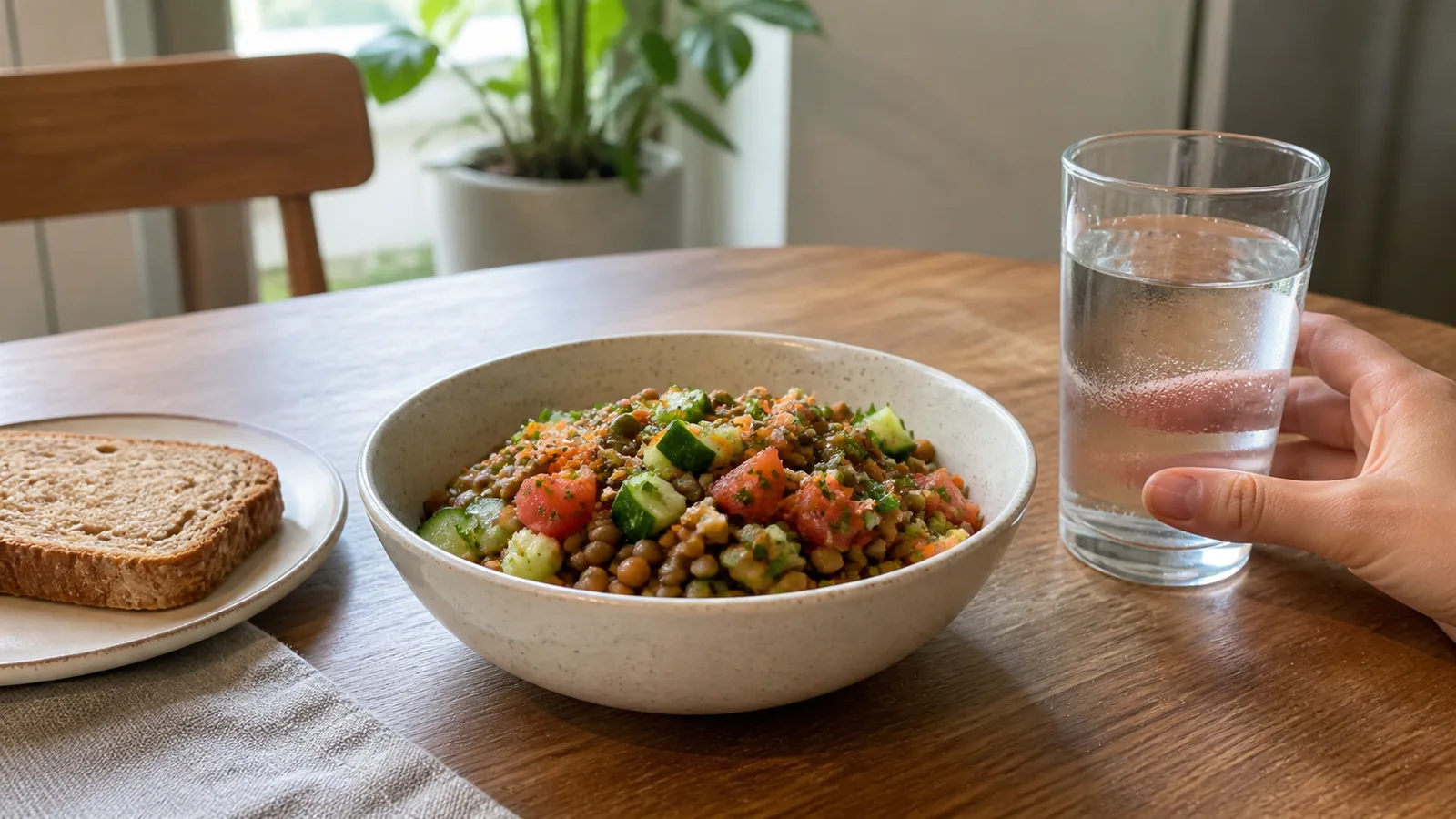
Fiber and fluid work together, especially when fiber is being used to support softer, easier-to-pass stools. NIDDK recommends drinking liquids when adding fiber and asking a healthcare professional for an appropriate amount based on body size, health, activity and climate.
That is more accurate than telling everyone to drink eight glasses. Water also comes from other beverages and foods, and needs change with heat, exercise, pregnancy, breastfeeding, medications and medical conditions. People who have been told to restrict fluid for a heart, kidney or other condition should follow their clinical plan rather than generic online advice.
Do you need a fiber supplement?
Usually not. Whole foods provide a mixture of fibers and other nutrients, while supplements contain an isolated, concentrated ingredient. A supplement may be useful for a specific goal when recommended by a clinician or dietitian, but one product cannot be assumed to provide every benefit associated with fiber-rich diets.
Products also behave differently. A readily fermented powder may cause gas; a bulk-forming product may need a specific volume of liquid; some products can affect how medicines are absorbed. Follow the product label or clinician’s directions exactly, do not exceed the dose, and ask a pharmacist about timing if you take medication.
Dry psyllium and other bulk-forming products can swell and cause choking or obstruction when taken without adequate fluid. People with difficulty swallowing, a known narrowing or blockage, or relevant gastrointestinal disease should obtain medical advice before use.
Who may need individualized medical or dietetic advice?
A general “eat more fiber” message is not appropriate for everyone at every moment. Tailored guidance is important if you have:
- irritable bowel syndrome, especially when symptoms change with fermentable foods;
- an active inflammatory bowel disease flare;
- an intestinal stricture, previous obstruction or another obstruction risk;
- gastroparesis, for which NIDDK notes that a clinician may recommend lower-fiber foods;
- significant or unexplained chronic digestive symptoms;
- recent gastrointestinal surgery;
- difficulty swallowing, or medicines that may interact with a fiber supplement.
This does not mean fiber is permanently off limits. It means the source, texture, amount and timing may need to fit the condition and treatment plan.
When symptoms need medical evaluation
Seek medical care for severe or persistent abdominal pain, repeated vomiting, blood in vomit or stool, black or tarry stools, unexplained weight loss, persistent early fullness, a major ongoing change in bowel habits, or bloating with an inability to pass stool or gas. Sudden severe pain, significant bleeding or symptoms of obstruction require urgent assessment.
For ordinary mild gas after a recent diet change, reducing the portion and slowing the pace may be enough. If symptoms continue or interfere with eating and daily life, a healthcare professional can help distinguish food tolerance from a condition that needs investigation.
Frequently asked questions
What is fibermaxxing?
Fibermaxxing is a social-media term for deliberately increasing dietary fiber. A useful version focuses on meeting an appropriate intake through varied plant foods; it does not mean eating the maximum possible amount or increasing fiber faster than your digestive system tolerates.
How can I increase fiber without bloating?
Start from your usual intake, add one modest food change at a time, spread fiber across meals and give your body several days to respond before adding more. Drink enough for your needs, and reduce the size or pace of the change if gas, pain or bowel changes become uncomfortable.
Does fiber always cause gas?
No. Gas depends on the fiber source, its fermentability, the amount, how quickly it was added and individual gut function. Readily fermented fibers can produce more gas, but tolerance varies, and soluble or insoluble does not automatically mean good, bad, gassy or gentle.
How much fiber should adults eat per day?
There is no single worldwide number. The US Nutrition Facts Daily Value is 28 grams on a 2,000-calorie diet, the UK recommendation is 30 grams a day for adults, and Health Canada lists 25 grams for women and 38 grams for men, with lower reference values after age 50. Individual needs vary.
What are good fibermaxxing foods?
Useful food-first options include beans, lentils, peas, oats, barley, whole-grain breads and cereals, vegetables, fruit, nuts and seeds. Variety matters because foods provide different fibers and other nutrients; you do not need a specialty product or an extreme serving.
Is fibremaxxing different in the UK?
The idea is the same, but UK sources use the spelling fibre and recommend 30 grams a day for adults using the AOAC measurement method. Food labels and fiber methods are not perfectly interchangeable between countries, so use local guidance rather than comparing numbers as if they were identical.
Sources reviewed
- Google Trends Summergeist 2026 — US trend context for dietary fiber and fibermaxxing searches.
- US Food and Drug Administration: How to Understand and Use the Nutrition Facts Label — the 28-gram Daily Value.
- NHS: Good foods to help your digestion — the UK 30-gram adult recommendation.
- Health Canada: Fibre and Dietary Reference Intakes for macronutrients — Canadian reference values and individualization caveat.
- NIDDK: Eating, Diet, & Nutrition for IBS — gradual increases, gas and bloating.
- NIDDK: Eating, Diet, & Nutrition for Constipation — food sources, gradual introduction and fluid guidance.
- Agency for Healthcare Research and Quality (2025): Fiber Intake and Laxation in People With Normal Bowel Function.
- McRorie and McKeown (2015): fiber properties and supplement effects.
- NIDDK: Eating, Diet, & Nutrition for Gastroparesis and MedlinePlus: Psyllium — situations requiring individualized guidance and supplement precautions.
This article is educational and does not replace care from a physician or registered dietitian who knows your medical history.