Iron-Rich Foods: What to Eat and How to Absorb More Iron
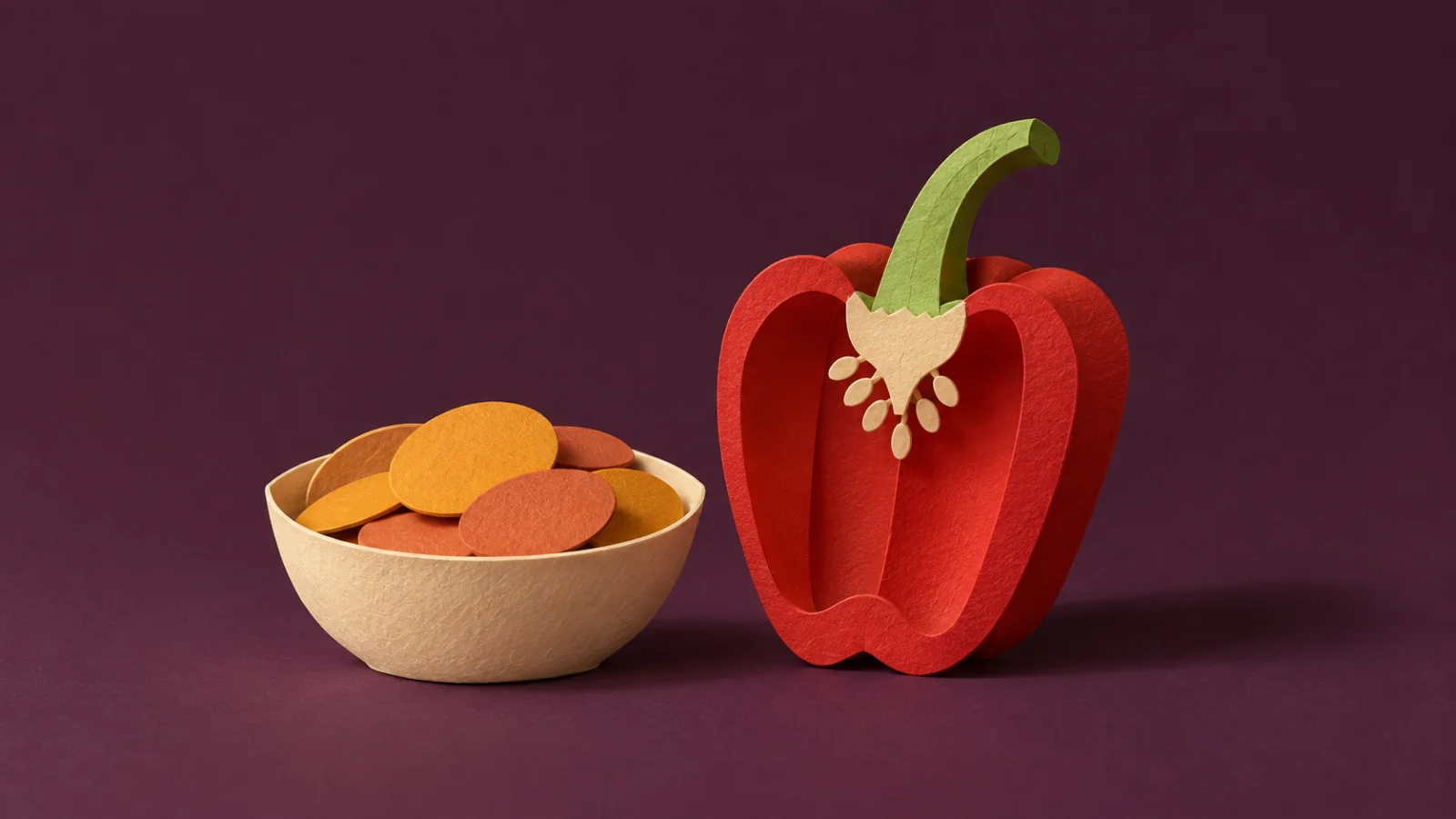
Half a cup of cooked lentils provides about 3 mg of iron. Add diced red bell pepper and you get vitamin C in the same meal, which helps your body absorb some of the iron in the lentils. NIH Office of Dietary Supplements
Beans, lentils, tofu, iron-fortified cereals, meat and seafood can all contribute iron. Portion size affects how much iron is on your plate. The type of iron and what you eat with it can affect how much you absorb. I like to start with foods you already buy and look for one or two pairings you would happily make again.
Iron-rich foods by serving
The table uses approximate U.S. reference values for the portions and preparations shown. The numbers describe the iron in the food. How much your body absorbs varies. Check the label on fortified foods because brands and serving sizes differ. NIH food composition table
Swipe to see all three columns.
| Food and serving | Iron | Easy meal idea |
|---|---|---|
| Cereal fortified to 100% of the U.S. Daily Value, 1 labeled serving | 18 mg | Top with strawberries. |
| Eastern oysters, cooked with moist heat, 3 oz (85 g) | 8 mg | Finish with lemon. |
| Canned white beans, 1 cup | 8 mg | Fold into soup with kale and serve with an orange. |
| Lentils, boiled and drained, ½ cup | 3 mg | Toss with red bell pepper and parsley. |
| Firm tofu, ½ cup | 3 mg | Serve with broccoli and rice. |
| Spinach, boiled and drained, ½ cup | 3 mg | Stir into a tomato and chickpea stew. |
| Canned kidney beans, ½ cup | 2 mg | Make tacos with a fresh pepper salsa. |
| Chickpeas, boiled and drained, ½ cup | 2 mg | Add to a grain bowl with sliced bell pepper. |
| Beef bottom round, braised and trimmed, 3 oz (85 g) | 2 mg | Serve with potatoes and broccoli. |
| Atlantic sardines in oil, drained, with bones, 3 oz (85 g) | 2 mg | Serve on toast with a cabbage slaw. |
On a U.S. Nutrition Facts label, the Daily Value for iron is 18 mg. If a cereal lists 25% Daily Value, one labeled serving contains about 4.5 mg. Use that figure to compare products and check your own reference intake below. NIH guidance on Daily Value
Heme and nonheme iron
Meat, poultry and seafood contain both heme and nonheme iron. Beans, tofu, vegetables and fortified cereals provide nonheme iron. Your body generally absorbs heme iron more readily. The other foods and drinks in a meal have a greater effect on how much nonheme iron you absorb. This is one reason two foods with the same milligrams in the table can contribute differently. NIH guidance on iron absorption
How to pair iron-rich foods with vitamin C
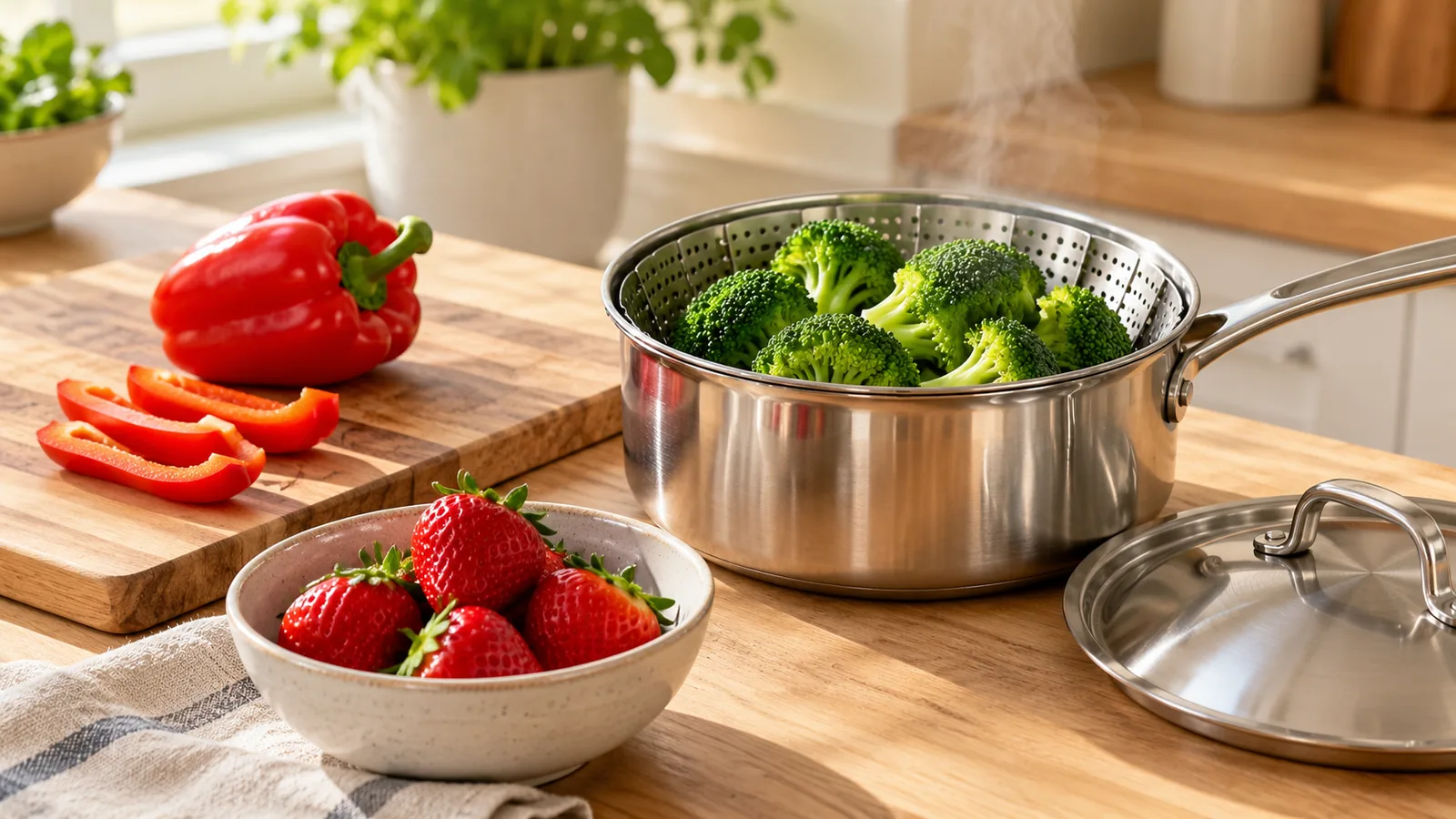
Include a vitamin C source in the same meal as your beans, tofu or fortified cereal. For reference, half a cup of raw red bell pepper contains about 95 mg of vitamin C, a medium orange about 70 mg and half a cup of cooked broccoli about 51 mg. Pick whichever fits the meal. NIH vitamin C fact sheet
- Breakfast. Add sliced strawberries or kiwi to an iron-fortified cereal you already like.
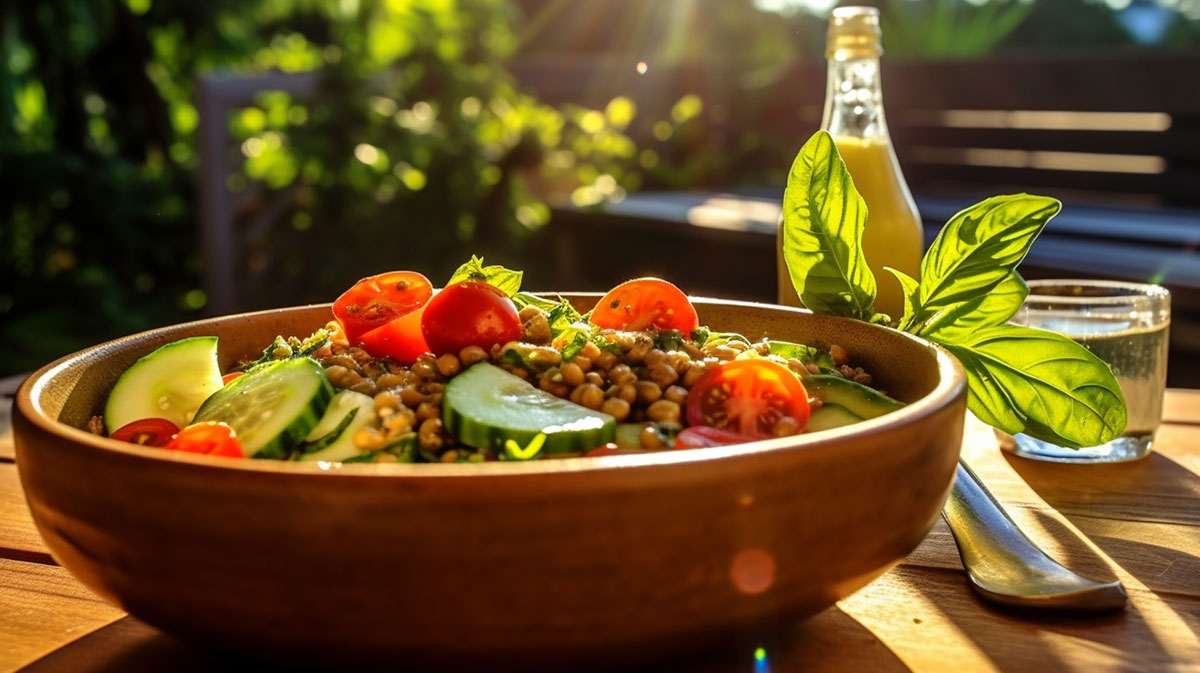
- Lunch. Toss cooked lentils with red pepper, parsley and lemon dressing. Try my lemon lentil salad as a starting point and add chopped red pepper for crunch.
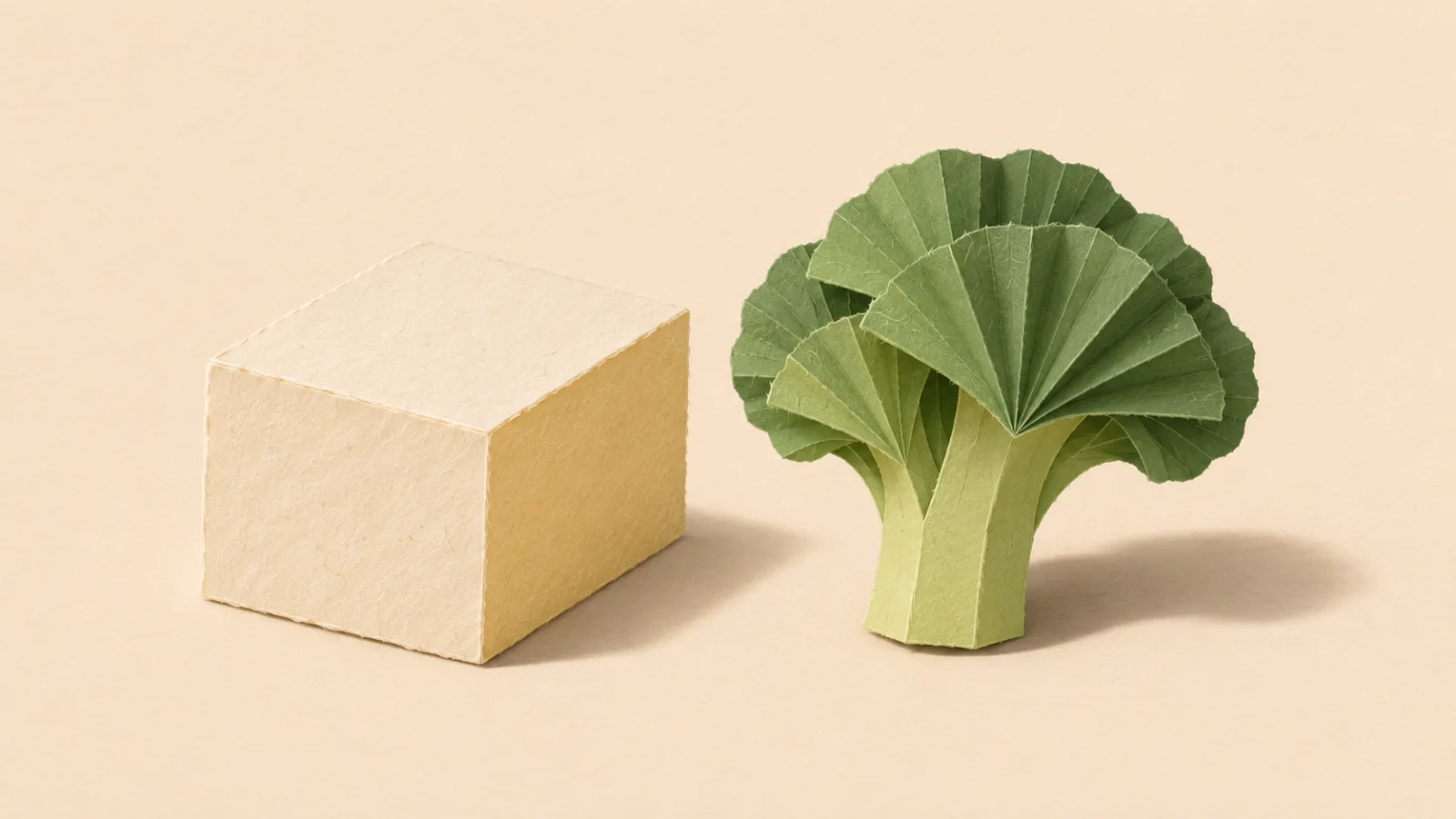
- Dinner. Pan-sear tofu and serve it with broccoli, red pepper and rice. Frozen broccoli is handy when you need a quick vegetable.
Prefer your peppers raw? Add them at the table. If you like them cooked, the amount of vitamin C will depend partly on how long and how you cook them. My guide to vitamin C and heat covers the difference between steaming, boiling and other cooking methods.
What about tea or coffee with meals?
Tea and coffee can reduce nonheme iron absorption when you drink them with a meal. In a study with 12 healthy women, drinking tea one hour after a standardized porridge meal interfered less with iron absorption than drinking it with the meal. If you are working on your iron intake, having tea between meals is one practical option. For prescribed iron, follow the instructions you received from your clinician or pharmacist. Ahmad Fuzi and colleagues, controlled meal study · NHS guidance
How much iron do adults need?
U.S. recommended dietary allowances are 8 mg a day for men aged 19 and older, 18 mg for women aged 19–50 and 8 mg for women aged 51 and older. For ages 19–50, the references are 27 mg during pregnancy and 9 mg during breastfeeding. These are population references for usual intake. NIH intake recommendations
The same U.S. guidance uses a higher reference intake for vegetarian diets, about 1.8 times the standard amount, because plant iron is generally less readily absorbed. If you eat a plant-based diet, a useful first step is to identify a few regular sources you enjoy, such as lentils, beans, tofu or fortified cereal, and pair them with a vitamin C source. A dietitian can help you assess your usual intake if you have concerns. NIH guidance for vegetarian diets
When to ask about low iron
Persistent tiredness, shortness of breath or noticeable heartbeats can have several causes. If you suspect low iron, speak with a healthcare professional, especially if you have heavy periods, are pregnant or donate blood regularly. They may check a blood count and ferritin, which helps assess iron stores. Inflammation can affect ferritin, so a clinician interprets it alongside the rest of your results. NHS guidance on iron deficiency anemia · NIH guidance on assessing iron status
If tests show a deficiency, treatment may include replacing iron and addressing the cause, such as ongoing blood loss or an absorption problem. Discuss iron supplements with your clinician before starting them, especially if you take medication or have a condition that causes iron overload. Keep iron tablets out of children’s reach. NHS guidance on treatment · NIH guidance on supplements and interactions
Frequently asked questions
What are good plant-based sources of iron?
Lentils, beans, chickpeas, tofu and iron-fortified cereals can all contribute iron. Try beans with red pepper or fortified cereal with strawberries to include vitamin C in the same meal.
Is spinach a good source of iron?
Half a cup of boiled, drained spinach contains about 3 mg of iron. The body absorbs relatively little of the iron in spinach, so include other sources in your rotation, such as lentils, tofu or fortified cereals.
Can iron-rich foods treat iron deficiency anemia?
Iron-rich foods can support your intake. If a clinician confirms iron deficiency anemia, they can look for the cause and advise whether you need iron replacement as part of your treatment.
For your next shop, pick one iron source you know you’ll use and one fruit or vegetable to eat alongside it. Canned beans and red peppers are enough to get a meal on the table. For more ideas that fit an ordinary week, see my practical guide to healthy eating.