
Pillow and Pillowcase as a Source of Dangerous Bacteria, Especially in Summer
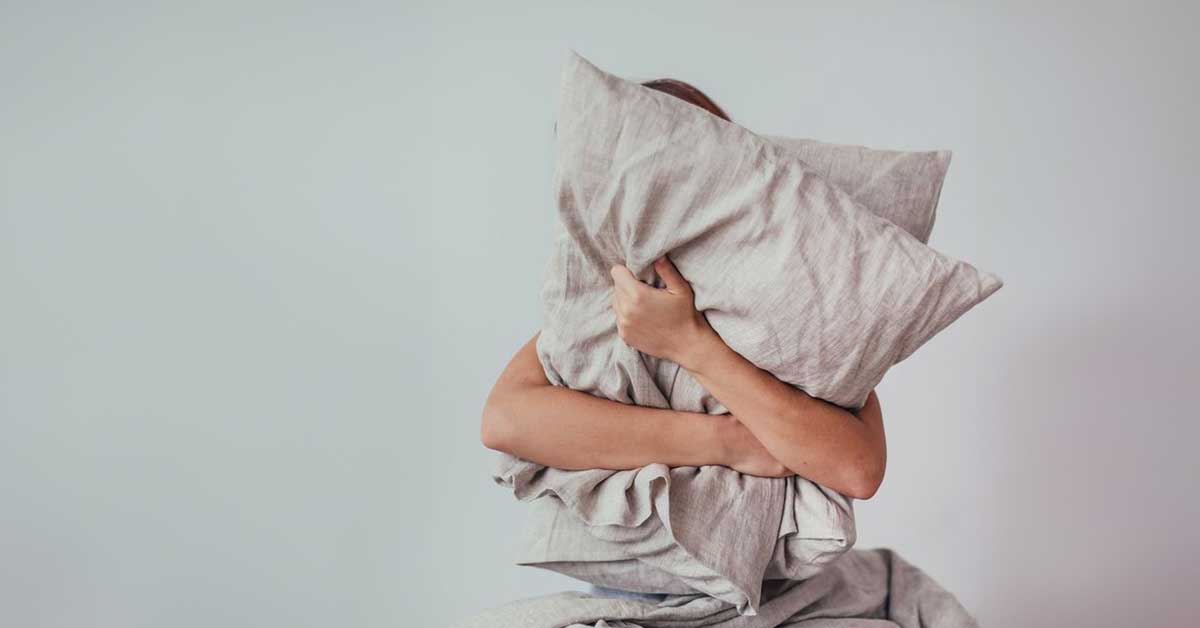
Have you ever thought about your pillow being home to millions of invisible neighbors? Bacteria on pillows are not just an unpleasant thought, but a reality that each of us faces. This problem becomes particularly relevant in summer when heat and humidity create ideal conditions for microorganism reproduction. Bedding hygiene plays a crucial role in maintaining health, as we spend a third of our lives in bed. Improper care of mattresses and neglect of bedding cleanliness can lead to serious consequences for our health, including allergies from bedding and various skin problems. Let’s discuss how to care for bedding and what proper sleep hygiene should be: how to care for pillows, mattresses, and other belongings, and talk about what bedding hygiene means.
Sleep Area Hygiene: Bacteria on Pillows
We sweat even in our sleep, and on a hot and stuffy summer night, we may sweat more actively. Most people can lose 500 to 700 milliliters of sweat on average per night. However, according to studies, at least 200 milliliters of water are absorbed into sheets, pajamas, pillowcases, and your pillow.
In addition to sweat, our bodies release other secretions at night (such as saliva and nasal discharge), and most of our body’s cells shed at night. All this creates a favorable environment for fungi and dust mites, which multiply on dead skin cells and can leave excrement causing allergies and asthma.
That’s why you shouldn’t go to bed with wet or damp hair; you increase the chances of pathogens appearing on your pillow and mattress.
Regarding bacteria, some studies have shown that after a week, there were 17,000 more bacterial colonies on a pillowcase than on a toilet seat. Another study showed that after a week without washing, pillowcases contained an average of 3 million colony-forming units (CFU) of bacteria per square inch (Source).

How to Care for Bedding?
Bacteria on your pillow and pillowcase can cause scalp itching, facial and neck rashes, and allergic reactions. To avoid this, sleep area hygiene is necessary: it’s important to regularly maintain cleanliness not only of the pillowcase but also of the bed as a whole. It’s important to know how to care for bedding and follow these recommendations:
- In summer, change pillowcases at least twice a week, and dry pillows in the sun daily, simply by taking them out to the balcony or terrace.
- Bedding hygiene if the room is humid – don’t make the bed, but instead let it dry after sleep.
- Regularly wash blankets, at least once a month, use a dryer.
- The mattress needs to be cleaned using a steam generator or baking soda and a regular vacuum cleaner. Simply sprinkle baking soda on the mattress, then vacuum it.
- Change bed linen 1-2 times a week in summer; in winter, with sufficient heating, this can be done less frequently.
- How to care for pillows? Replace pillows (recycle them) with natural fillings once a year, with synthetic ones every 2 years.
- Don’t use aggressive cleaning agents for bedding to minimize toxins and allergic reactions.
- Sleep area hygiene is extremely important, as we spend at least 6 hours in bed, take care of your safety.

Now you know how to care for pillows and other bedding items and can maintain sleep area hygiene.
Sleep area hygiene is not just a matter of comfort, but an important aspect of our health. Pillows and bacteria can become a serious problem, especially during the summer. Regular changing of pillowcases, airing pillows, timely washing of linen, and mattress care are simple but effective measures to maintain the cleanliness of your sleeping area.
Remember that we spend a third of our lives in bed, and the quality of our sleep directly affects our overall well-being and performance. By paying due attention to bedding hygiene, you not only ensure comfortable rest but also protect your health from potential threats associated with the multiplication of bacteria on pillowcases and dust mites.
By following recommendations for bedding care, you create a healthy sleep environment, minimize the risk of allergies from bedding and skin irritations. Investing in quality bedding and regularly replacing pillows and blankets is an investment in your health and well-being. May your sleep be sound, and your awakening be invigorating and joyful!
While maintaining proper bedding hygiene is crucial for your health, especially in summer, it’s equally important to keep your body cool and hydrated from the inside. Let’s explore some cooling and hydrating foods that can complement your efforts for a comfortable summer: 16 Cooling and Hydrating Foods for Summer