Walking After Eating: Benefits, Timing and a Simple Plan
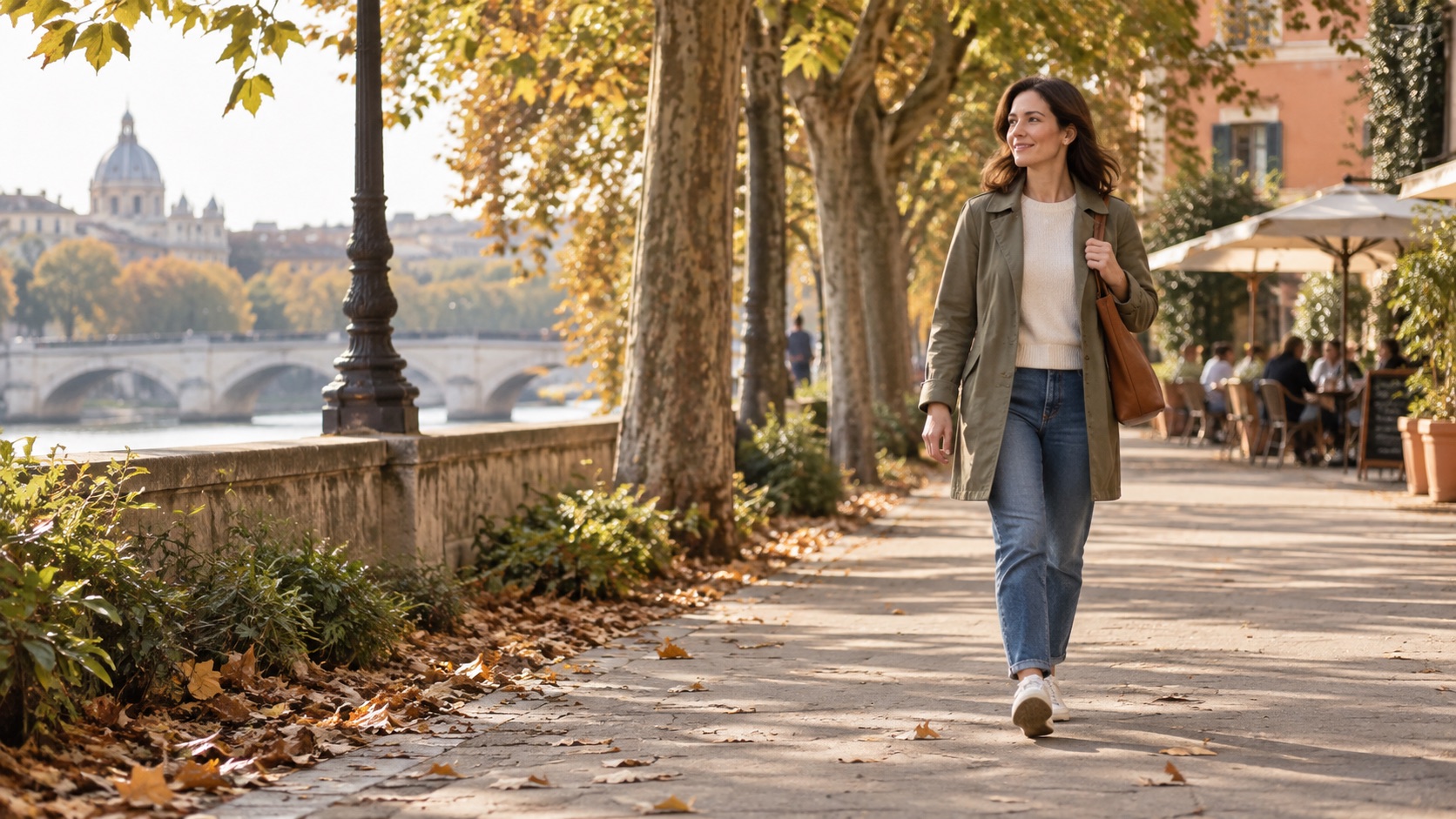
Walking after eating can be a simple, low-pressure way to add movement to your day. A comfortable 5–10 minute walk after a meal is a reasonable starting point. Small human studies suggest post-meal activity can reduce the short-term rise in blood glucose compared with sitting, particularly in people with type 2 diabetes. The evidence does not mean that a walk can “erase” a meal, cure diabetes or replace treatment.
The appeal is practical: no special equipment, workout clothes or step target is required. This guide explains when to go, how long to walk, what the research actually measured and how to adapt the habit to your own comfort and health.
What are the benefits of walking after eating?
Blood glucose: the best-studied short-term effect
After a meal, carbohydrate is digested and blood glucose usually rises. Working muscles use glucose for energy. In a randomized crossover study of 41 adults with type 2 diabetes, advice to walk for 10 minutes after each main meal was associated with a smaller post-meal glucose response than advice to take one 30-minute walk at an unspecified time. Each approach involved 30 minutes of daily walking; the study periods lasted only two weeks.
A 2023 systematic review and meta-analysis found that activity after eating reduced acute glucose rises more than activity before eating or no activity. It included eight small crossover trials and 116 participants; the authors rated the trials at high risk of bias. These results support a useful habit, but cannot prove that a particular walking schedule prevents disease or improves long-term outcomes.
Another review of brief walking breaks found lower post-meal glucose and insulin responses than continued sitting in one-day experiments. Those findings concern immediate responses, not a universal prescription for everyone.
More everyday movement
A short walk can also help you break up a long spell of sitting and build a repeatable routine. The US Centers for Disease Control and Prevention gives a 10-minute walk after dinner as one possible starting goal. A relaxed stroll may be lighter than the moderate-intensity activity used in weekly exercise targets; you can still choose longer or brisker activity at other times if it suits you.
What is less certain? Walking after meals is often described online as a digestion or weight-loss “hack.” Some people enjoy the fresh air or feel less sluggish, but a brief walk has not been shown to cancel calories, treat reflux or reliably relieve bloating. If food-related symptoms are frequent or severe, investigate them rather than relying on a walk.
When should you walk after eating, and for how long?
You can begin once you have finished eating and feel comfortable. In short-term glucose studies, earlier activity often performed better than waiting a long time, but there is no clinically proven deadline such as “within exactly 15 minutes.” If a large meal leaves you uncomfortable, start later or take a shorter, slower stroll.
| If you have... | A practical option | Why it works as a routine |
|---|---|---|
| 2–5 minutes | Walk around your home, corridor or block at an easy pace. | Interrupts sitting and gives you a low-effort starting point. |
| About 10 minutes | Take a comfortable walk after one meal you can repeat most days. | Matches a realistic starting goal used in public-health advice. |
| 15–30 minutes | Extend the route only if it feels good and fits your schedule. | Adds more total movement; a longer walk is not required to make the short one worthwhile. |
These are options, not doses. A 2025 crossover trial in 12 healthy young adults compared a 10-minute walk immediately after a glucose drink with a 30-minute walk started later. Both walking conditions improved some short-term glucose measures compared with rest. The experiment used a glucose drink, not a normal mixed meal, and is too small to establish an ideal duration for all adults.
A simple 10-minute post-meal walk
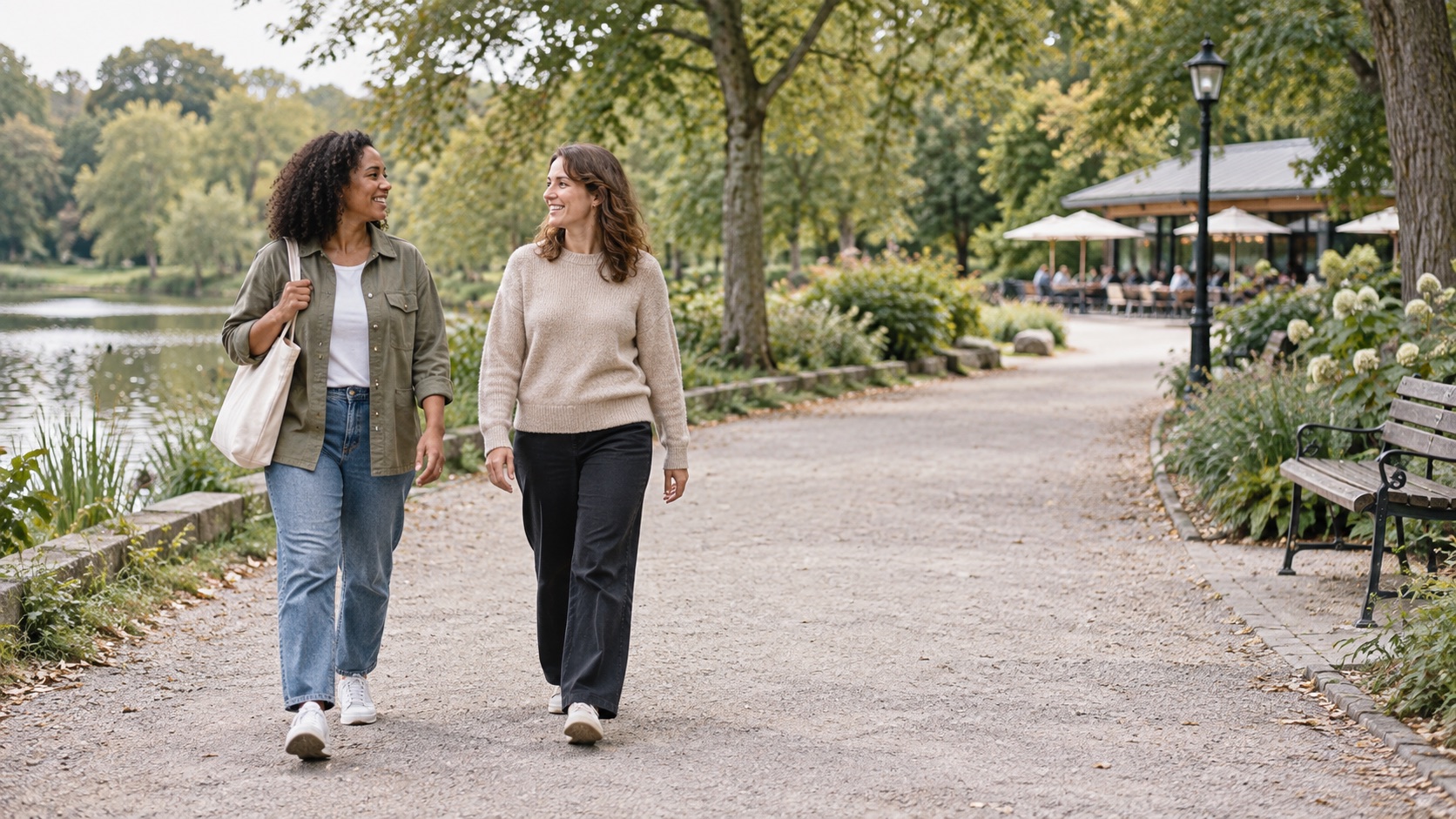
- Minute 0–2: Start slowly on a level, safe path or indoors. Let your breathing settle after the meal.
- Minute 2–8: Walk at a comfortable pace. You should be able to talk. There is no need to race, count steps or aim for a particular heart rate.
- Minute 8–10: Ease back to your starting point. Stop sooner if you feel unwell.
Try it after the meal that is easiest to anchor to your day: lunch at work, dinner with family or breakfast before your commute. If ten minutes feels too long, begin with two to five. If you cannot go outside, a level indoor route is fine. Record whether the walk felt comfortable, rather than judging the day by a step count.
For variety on a different day, see my Dopamine Steps guide. That article covers a music-led walking workout and the meaning of the trend. This page is about the timing of a gentle walk after a meal.
How to fit a walk around different meals and goals
After dinner
A short evening route can be easier to remember than a new exercise appointment. Put on comfortable shoes, walk with someone if you like and choose a well-lit route. If your meal was large or late, keep the pace gentle. A post-dinner walk does not require skipping food or changing dinner to “earn” movement.
At work or at home
Walk around the building after lunch or take a few laps inside if the weather is poor. If your job or mobility limits walking, another form of safe light movement may be more suitable. The goal is a habit you can use, not a perfect route.
Alongside a balanced meal
Movement and food choices support different parts of health. A walk cannot substitute for a varied diet, and a meal does not need to be “fixed” by exercise. For practical food ideas, read 15 Healthy Eating Tips or my guide to increasing fiber without bloating.
Who should take extra care?
- If you use insulin or medicines that can cause low blood glucose: physical activity may increase the risk of hypoglycemia. Ask your diabetes care team when to check glucose and how to adjust a walking plan; the American Diabetes Association explains the precautions.
- If you have heart disease, balance problems, a recent injury, or are returning after illness: get individualized advice about suitable activity and intensity.
- If walking worsens nausea, reflux, pain or dizziness: slow down, wait longer or stop. Persistent digestive symptoms deserve medical assessment.
- If you develop chest pain, faintness, or unusual breathlessness: stop and seek appropriate medical help.
Keep the route accessible and the pace comfortable. The useful habit is one you can repeat safely.
Frequently asked questions
Is it good to walk after eating?
For many people, yes: it is a simple way to add movement. Small studies support an immediate glucose benefit compared with sitting. The size of the effect varies, and a walk is not a medical treatment.
How soon after eating should I walk?
When you feel comfortable. Starting soon after the meal is consistent with much of the short-term research, but there is no universal minute-by-minute rule.
Is a 10-minute walk after eating enough?
It is a useful starting point. Ten minutes after one meal may be easier to maintain than a longer walk you rarely take. Add time later if you want more activity and it suits you.
Can I walk after dinner?
Yes. Choose a safe route and an easy pace. If you feel too full, wait until walking is comfortable.
Does a post-meal walk help digestion?
Some people feel better after gentle movement, but evidence is not strong enough to promise relief from bloating, reflux or other digestive symptoms. Seek medical advice for persistent symptoms.
Takeaway
A post-meal walk is a small, flexible movement habit. Start with an easy 5–10 minutes after a meal that fits your day. The clearest research concerns short-term blood glucose; longer-term clinical benefits from this exact timing remain uncertain. Use comfort and safety, not a rigid step count, as your guide.
Sources reviewed
- Reynolds et al. (2016): randomized crossover study of walking after meals in type 2 diabetes.
- Engeroff et al. (2023): systematic review and meta-analysis of activity before and after meals.
- Buffey et al. (2022): systematic review of sitting breaks and light walking.
- Hashimoto et al. (2025): randomized crossover trial of a 10-minute walk after glucose intake.
- CDC: Get Active.
- American Diabetes Association: Blood Glucose and Exercise.