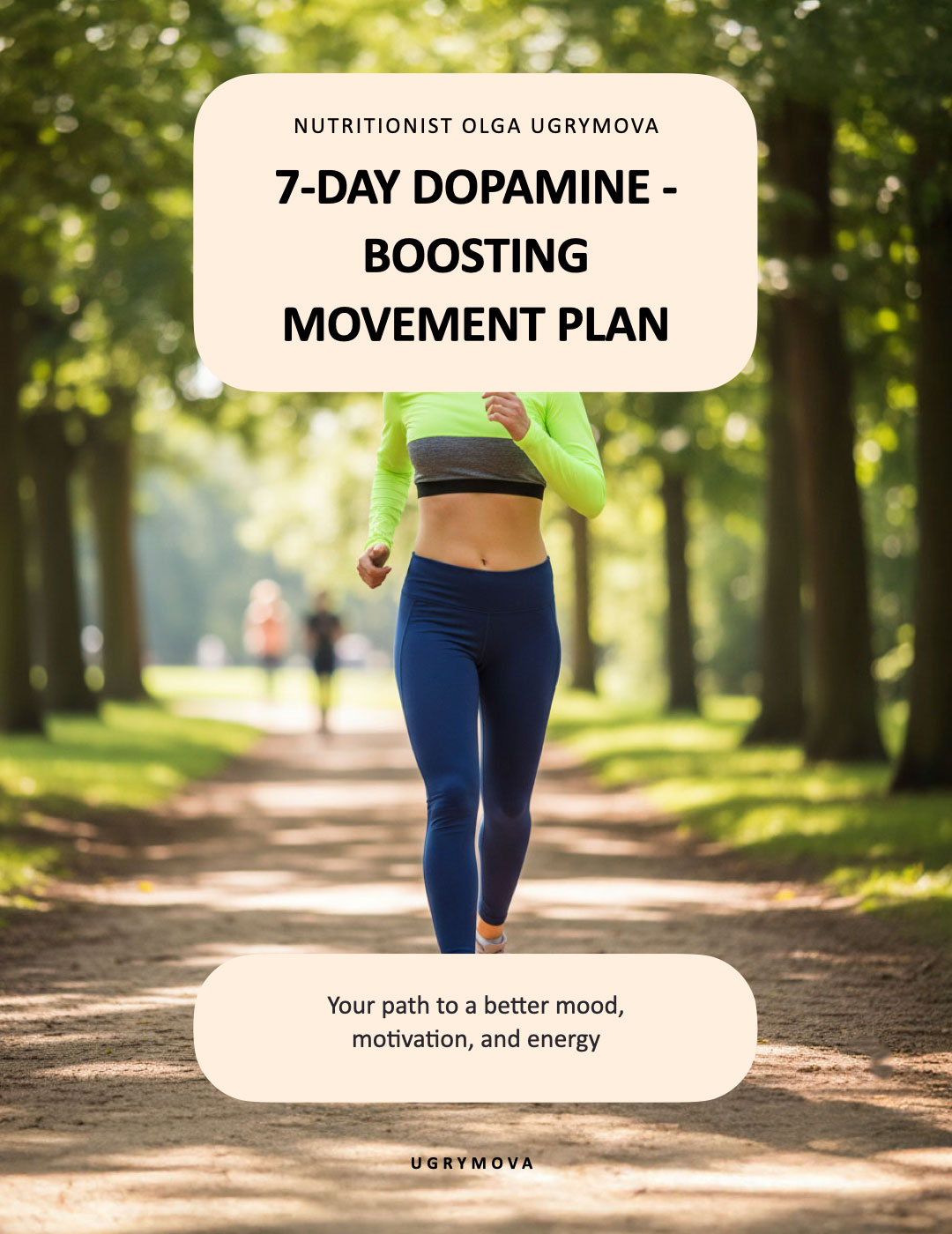
Dopamine Steps: What the Trend Is and How to Try It

Dopamine steps are short, upbeat walking workouts built around simple footwork, arm movements, rhythm and enjoyment. You might march in place, step side to side or add gentle knee lifts while following music. The name is a social and wellness label, not a standardized clinical exercise protocol, and it does not mean that a particular routine can guarantee a measurable “dopamine boost.”
The useful idea beneath the dopamine steps trend is much simpler: make movement accessible and pleasant enough that you want to repeat it. Walking and other physical activity have well-established health benefits, and even a short session can be a worthwhile starting point.
What are dopamine steps?
A typical dopamine steps workout is a short, follow-along walking session. There is no official sequence, duration or target step count. Most versions use familiar low-impact moves — marching, side steps, heel taps and arm swings — arranged to a steady beat.
That flexible format can reduce the practical barriers that make exercise feel daunting: you need little space, no complicated choreography and often no equipment. The routine can be done indoors or outside, alone or with company.
Is there science behind the name?
Dopamine is a neurotransmitter involved in movement, motivation, learning and reward-related behavior. Exercise and dopamine influence one another, but human research is complex and does not support treating dopamine like a simple happiness meter. A systematic review of physical activity and dopamine found a limited and varied human evidence base. That is why it is more accurate to discuss the benefits of the activity than to promise a particular neurochemical result.
The evidence for movement itself is stronger. The US Centers for Disease Control and Prevention reports that a session of moderate-to-vigorous physical activity can reduce short-term feelings of anxiety, while regular activity supports sleep and reduces the risk of depression. A large 2024 systematic review and network meta-analysis also found that several forms of exercise, including walking or jogging, reduced depressive symptoms in people with depression, although confidence in much of the evidence was low.
A simple 10-minute dopamine steps workout
Choose music with a comfortable, steady beat and clear the floor around you. Keep the movement easy enough that you can speak in short sentences. Use a wall or sturdy chair if you want support.
- Minutes 0–2: easy march. Stand tall, let your arms swing naturally and find a comfortable rhythm.
- Minutes 2–4: side steps. Step right and bring the left foot in; repeat to the other side. Keep the steps small.
- Minutes 4–6: march with arm patterns. Alternate reaching forward, then overhead only if that is comfortable for your shoulders.
- Minutes 6–8: heel taps or gentle knee lifts. Stay low impact. Skip, slow or hold support whenever needed.
- Minutes 8–9: choose your favorite move. Repeat the step that felt most natural.
- Minutes 9–10: slow down. Return to an easy march, then walk gently until your breathing settles.
If ten minutes is too much today, start with three or five. If it feels easy, extend the walk or repeat the middle sequence rather than adding jumps immediately. For broader activity planning, the Physical Activity Guidelines for Americans emphasize that some activity is better than none and that adults can build toward a mixture of aerobic and muscle-strengthening activity over the week.
Music, novelty and enjoyment
Music is optional, not a medical ingredient. It can provide a beat, make time pass pleasantly and give the routine a clear beginning and end. If headphones make you less aware of traffic or other people, exercise indoors or keep the volume low.
Novelty can be as modest as changing your playlist, taking the routine outdoors or learning one new arm pattern. Enjoyment matters because a routine you like may be easier to repeat. It is not necessary to chase constant excitement: familiar, comfortable movement counts too.
Dopamine steps vs a regular walk vs dopawalking
| Approach | What it usually means | Structure | Best fit |
|---|---|---|---|
| Dopamine steps | A music-led walking workout using simple repeated steps and arm movements. | Usually short and follow-along; indoor or outdoor. | Someone who enjoys rhythm and wants a compact workout. |
| Regular walking | Walking for transport, recreation, company or exercise. | As structured or unstructured as you choose. | Almost any setting; pace and duration are easy to adapt. |
| Dopawalking | An inconsistently used online label for making a walk feel more stimulating or rewarding with scenery, sunlight, music, company or small goals. | No agreed protocol or clinical definition. | Someone who likes a purposeful, enjoyable outdoor walk. |
The boundary is not scientific. A brisk walk with music could reasonably be described by any of these labels. What matters more is the activity’s intensity, safety, accessibility and whether it helps you maintain a realistic movement habit.
Safety and who should adapt the routine
- Wear stable footwear and use a dry, uncluttered surface.
- Keep jumps optional. Marching and side steps can remain fully low impact.
- Reduce the range of arm movements if you have shoulder discomfort.
- Use support and smaller steps if balance is a concern.
- Stop for chest pain, faintness, unusual shortness of breath or sudden pain, and seek appropriate medical help.
- If you are returning after surgery, injury or a long period of inactivity, ask a clinician or physiotherapist what is suitable for you.
Movement is only one part of wellbeing. Regular meals and recovery matter too; if useful, see my guide to what to eat after a workout or explore other practical resources in Free Guides.
Frequently asked questions
What are dopamine steps?
Dopamine steps is an informal wellness name for short, upbeat walking workouts that may combine marching, side steps, arm movements and music. It is not a standardized clinical exercise protocol.
Does a dopamine steps workout boost dopamine?
Exercise interacts with dopamine and many other body systems, but evidence does not show that one branded step routine produces a predictable dopamine boost. The better-supported reason to try it is that enjoyable physical activity can support fitness, sleep and mental wellbeing.
What is dopawalking?
Dopawalking is an inconsistently used social-media label, usually for making a walk more stimulating or rewarding with music, scenery, sunlight, a friend or small goals. It is not a recognized medical treatment or standardized workout.
How is dopamine steps different from ordinary walking?
Ordinary walking can be transport, recreation or exercise. Dopamine steps usually refers to a more structured, music-led walking workout with changes of direction or arm patterns, although both can count as physical activity.
Can beginners do dopamine steps?
Many people can start with low-impact marching and side steps while using a wall or chair for support. Anyone with chest pain, dizziness, a recent injury, balance problems or a condition affected by exercise should seek individualized medical or physiotherapy advice.
Sources and further reading
- US Centers for Disease Control and Prevention: Benefits of Physical Activity.
- US Department of Health and Human Services: Physical Activity Guidelines for Americans.
- Noetel et al., BMJ (2024): exercise for depression, systematic review and network meta-analysis.
- Marques et al. (2021): physical activity and dopamine across adulthood, systematic review.