High-Fiber Breakfast Ideas: 15 Easy Meals for Better Digestion
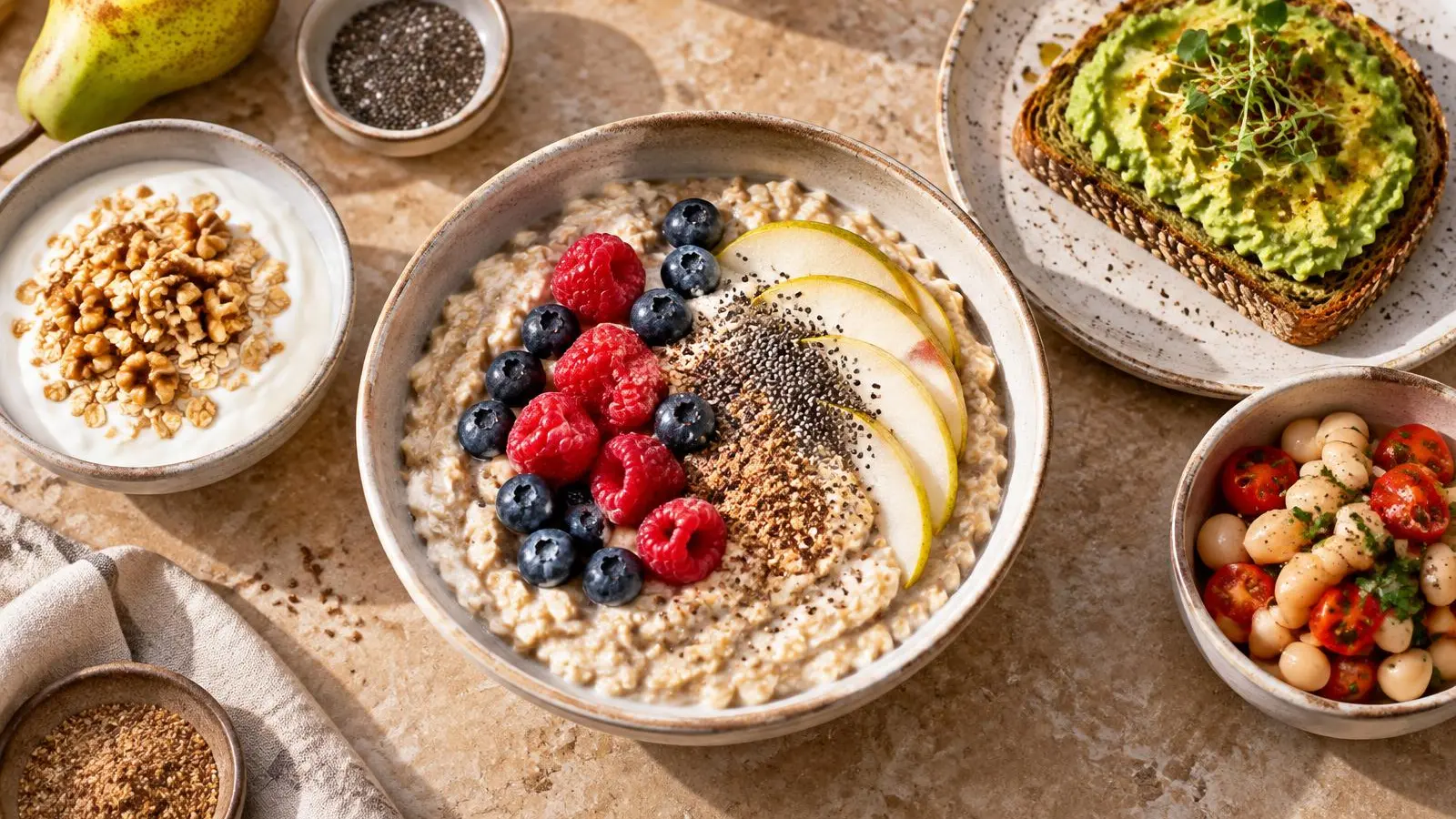
Breakfast is an easy place to add more plant foods to your day. Oats, fruit, beans, whole grains, nuts and seeds provide dietary fiber along with other nutrients. Fiber can support normal bowel function, but a very sudden increase may cause gas or bloating. The most comfortable approach is to start with realistic portions, drink fluids regularly and increase gradually.
This guide shares 15 simple high-fiber breakfast ideas. Each estimate is approximate: the exact amount depends on the product, recipe and serving size. Use the ideas as a starting point rather than a prescription.
What makes a breakfast high in fiber?
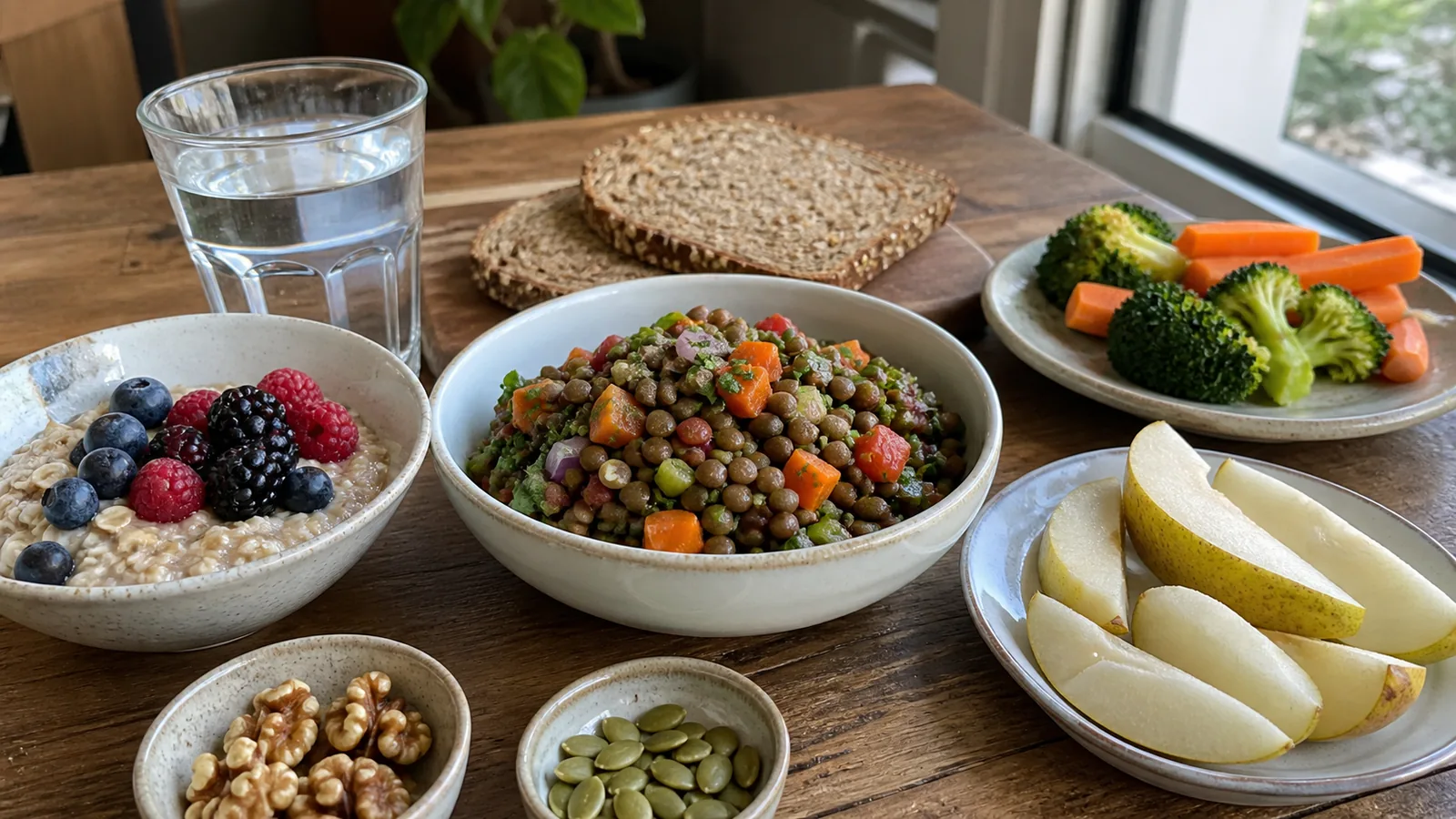
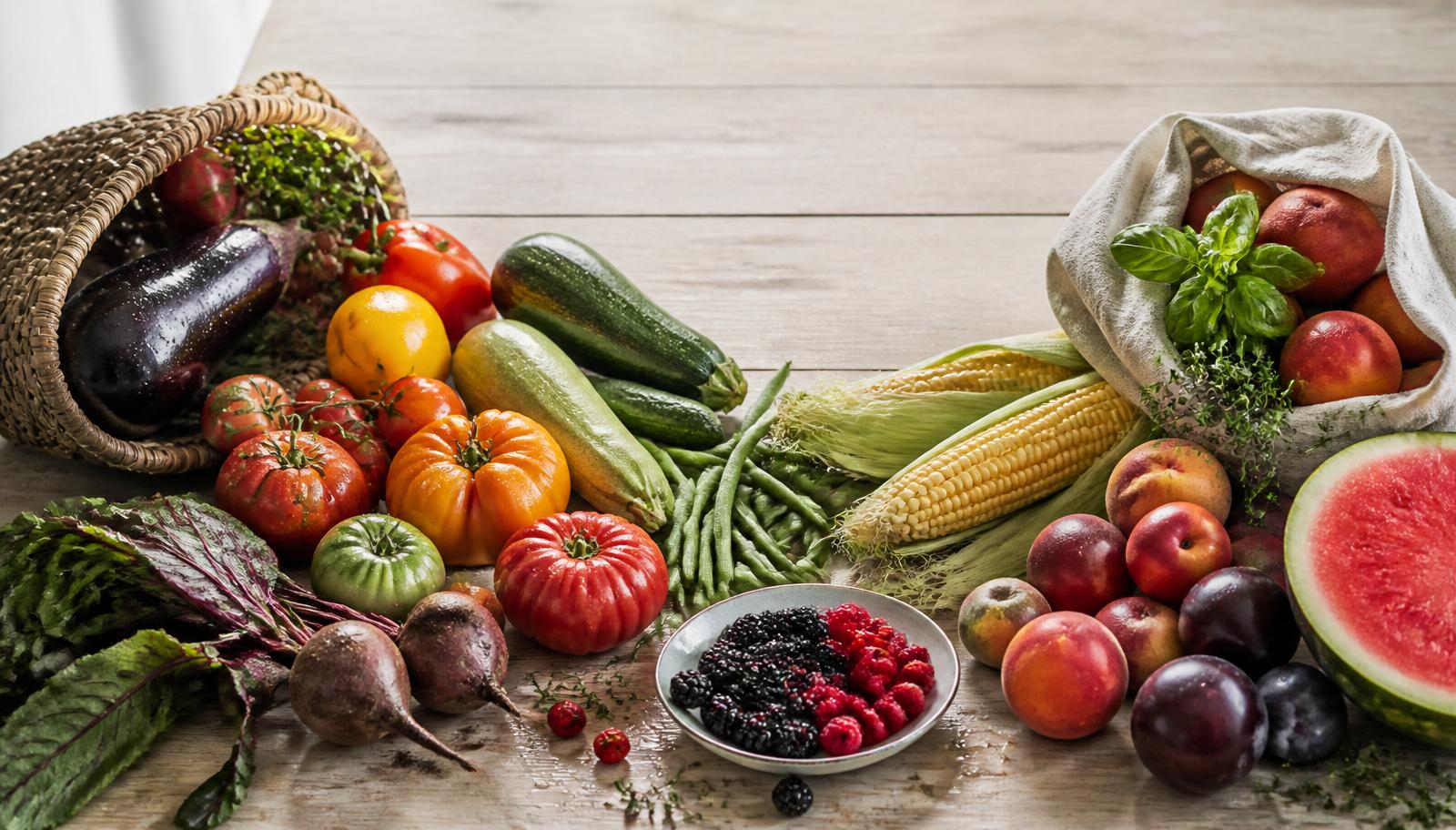
Fiber is found naturally in plant foods. A balanced breakfast can include several sources:
- oats, barley or whole-grain bread;
- berries, apples, pears or kiwi;
- chia, flaxseed, pumpkin seeds or nuts;
- beans, lentils or chickpeas;
- vegetables such as spinach, tomatoes, mushrooms and avocado.
There is no single best fiber food. Variety matters because different foods provide different types of fiber. The U.S. Food and Drug Administration uses 28 grams per day as the Daily Value for adults eating 2,000 calories, while individual needs vary. See the FDA explanation of the Nutrition Facts label for context.
15 easy high-fiber breakfast ideas
The fiber figures below are rounded estimates for the portions shown. Check the nutrition label or USDA FoodData Central when you need a product-specific value.
| # | Breakfast | Main ingredients and practical portion | Approx. fiber |
|---|---|---|---|
| 1 | Berry flax oatmeal | ½ cup dry oats, 1 cup berries, 1 tbsp ground flaxseed | 10–12 g |
| 2 | Apple cinnamon overnight oats | ½ cup oats, 1 small apple with skin, 1 tbsp chia | 10–12 g |
| 3 | Pear and walnut yoghurt bowl | 1 medium pear with skin, ½ cup oats, 1 tbsp walnuts | 8–10 g |
| 4 | Chia berry pudding | 2 tbsp chia seeds, berries, milk or fortified plant drink | 10–13 g |
| 5 | Whole-grain avocado toast | 2 slices whole-grain bread, ½ avocado, tomato | 10–12 g |
| 6 | Hummus and vegetable toast | 2 slices whole-grain bread, ¼ cup hummus, cucumber and peppers | 9–12 g |
| 7 | White bean breakfast toast | ½ cup mashed white beans, 2 slices whole-grain bread, greens | 12–15 g |
| 8 | Lentil breakfast bowl | ½ cup cooked lentils, roasted vegetables, 1 egg or tofu | 9–11 g |
| 9 | Sweet potato and black bean hash | 1 medium sweet potato, ½ cup black beans, peppers | 13–16 g |
| 10 | Green smoothie bowl | 1 kiwi, ½ cup berries, spinach, 2 tbsp oats, 1 tbsp chia | 9–12 g |
| 11 | Bran and raspberry cereal | A labelled serving of bran cereal, raspberries, milk or yoghurt | 9–14 g |
| 12 | Barley breakfast porridge | ¾ cup cooked barley, apple, cinnamon, pumpkin seeds | 8–10 g |
| 13 | Buckwheat banana bowl | ¾ cup cooked buckwheat, small banana, 1 tbsp ground flaxseed | 7–9 g |
| 14 | Chickpea scramble with greens | ½ cup mashed chickpeas, mushrooms, spinach, whole-grain toast | 11–14 g |
| 15 | Peanut butter chia toast | 2 slices whole-grain bread, 1 tbsp peanut butter, 1 tbsp chia, berries | 9–12 g |
1. Berry flax oatmeal
Cook oats with milk or water, then add berries and ground flaxseed. Frozen berries work well and are usually convenient. If you are new to flaxseed, start with one teaspoon and increase to one tablespoon as tolerated.
2. Apple cinnamon overnight oats
Combine oats, yoghurt or milk, chia and chopped apple in a jar. Refrigerate overnight. Keeping the apple skin on provides more fiber, but peel it if that feels more comfortable for you.
3. Pear and walnut yoghurt bowl
Add sliced pear, oats and walnuts to plain yoghurt. Choose an unsweetened yoghurt if that suits you, and add cinnamon or vanilla for flavor.
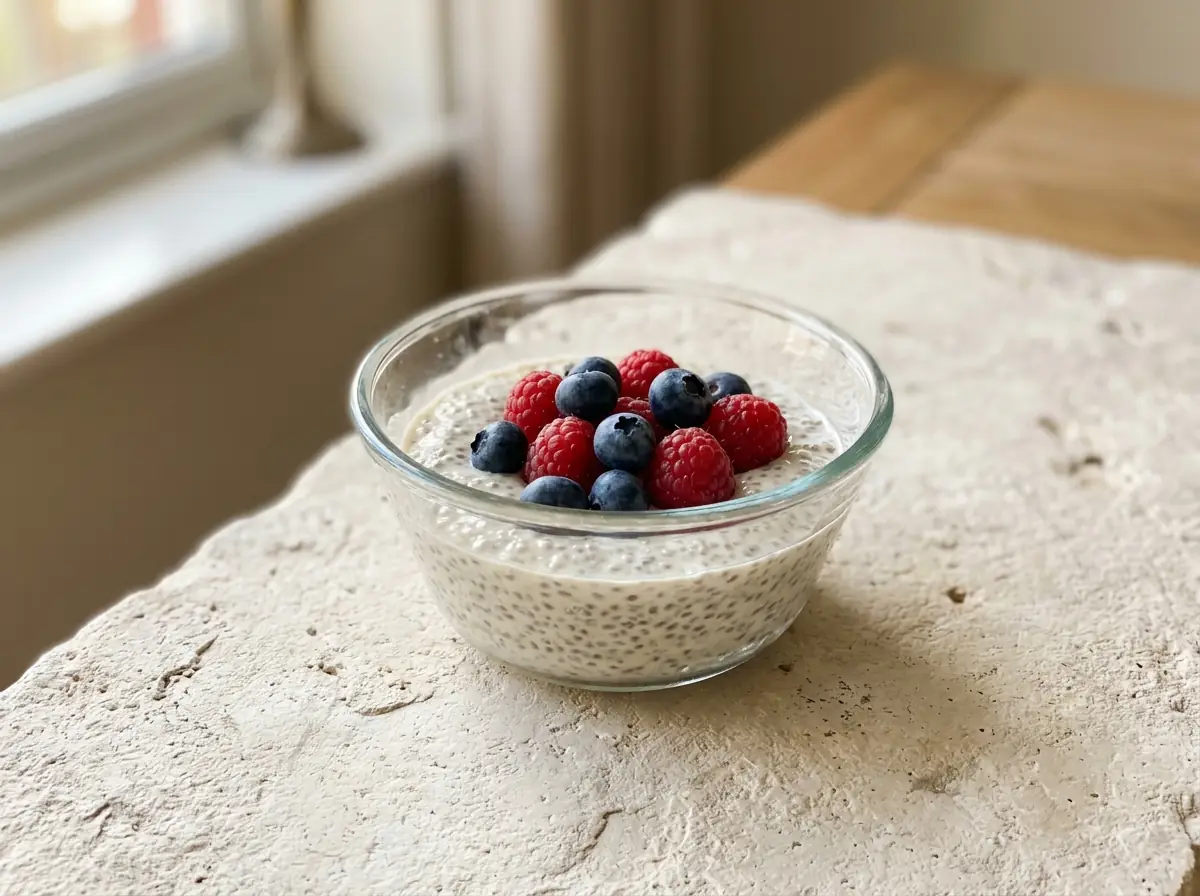
4. Chia berry pudding
Stir chia seeds into milk or a fortified plant drink and refrigerate until thick. Add berries before serving. Chia absorbs liquid, so use enough fluid and avoid swallowing large amounts of dry seeds.
5. Whole-grain avocado toast
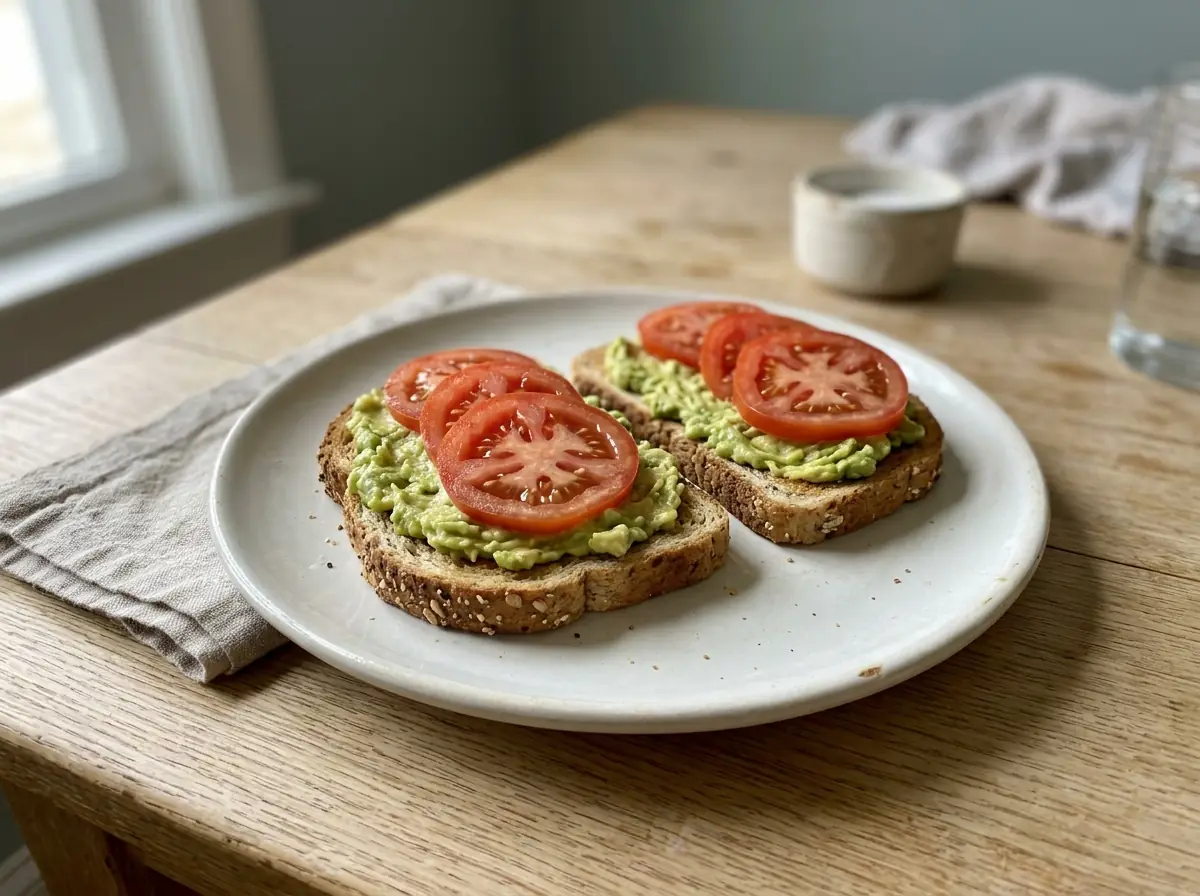
Use a whole-grain bread you enjoy eating regularly. Top it with avocado, tomato and lemon. This is a useful savory option when you prefer a breakfast without added sugar.
6. Hummus and vegetable toast
Spread hummus on whole-grain toast and add cucumber, peppers or leafy greens. Start with a modest amount of hummus if legumes are new to you.
7. White bean breakfast toast
Mash rinsed canned white beans with lemon and olive oil. Add herbs and spread on toast with greens. Rinsing canned beans can reduce their sodium and makes them ready to use.
8. Lentil breakfast bowl
Use leftover cooked lentils with roasted vegetables and an egg, tofu or another protein source. Warm leftovers make a practical breakfast and reduce food waste.
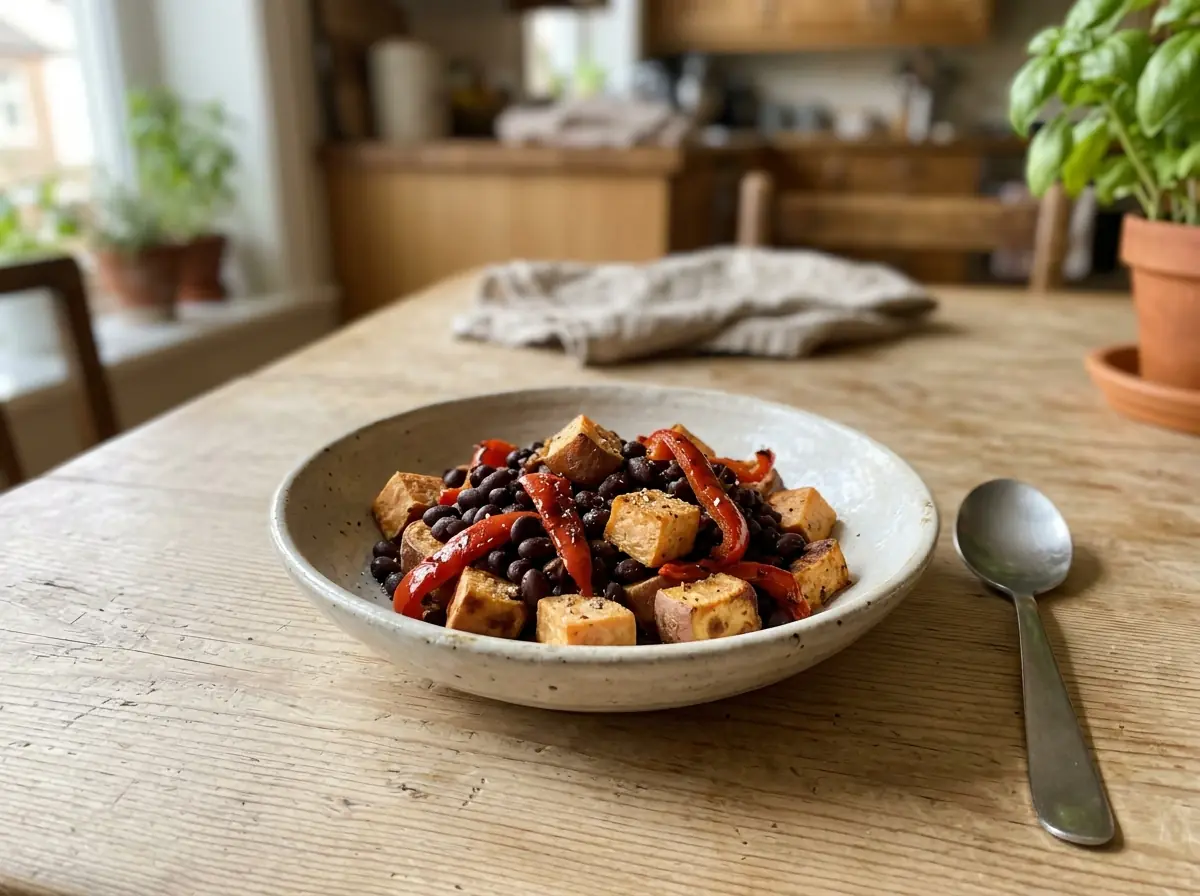
9. Sweet potato and black bean hash
Combine roasted sweet potato, black beans and peppers. Keep the first serving moderate if beans tend to cause gas, then increase gradually when comfortable.
10. Green smoothie bowl
Blend kiwi, berries, spinach, oats and yoghurt or a fortified plant drink. Eat it with a spoon rather than drinking it quickly, and avoid adding several concentrated fiber powders at once.
11. Bran and raspberry cereal
Check the package serving size and fiber value. Add raspberries and yoghurt or milk. Bran can be useful, but it may feel intense for some people, so begin with a partial serving if needed.
12. Barley breakfast porridge
Warm cooked barley with grated apple, cinnamon and pumpkin seeds. Barley contains beta-glucan, a type of soluble fiber, and can be prepared ahead of time.
13. Buckwheat banana bowl
Serve cooked buckwheat with banana and ground flaxseed. Buckwheat is naturally gluten-free, but check labels and preparation conditions if you need to avoid gluten strictly.
14. Chickpea scramble with greens
Mash chickpeas with turmeric, mushrooms and spinach, then serve with whole-grain toast. This is a plant-based breakfast with both fiber and protein.
15. Peanut butter chia toast
Spread peanut butter on whole-grain bread and top with chia and berries. Choose a peanut butter without added sugar if that is your preference, and check for allergy risks when serving others.
How to add fiber without digestive discomfort
If you currently eat little fiber, do not start all 15 ideas at once. Choose one breakfast and keep the portion familiar for several days.
Helpful strategies include:
- Change one meal first. Add berries to oats or replace one slice of white toast with whole-grain bread.
- Increase portions slowly. Beans, bran, chia and large amounts of raw vegetables can be more noticeable than fruit or oats.
- Spread fiber across the day. Several ordinary servings are often easier than one very large bowl.
- Drink fluids regularly. Fiber and fluid work together, but there is no universal “eight glasses” rule. Follow medical advice if you have a fluid restriction.
- Choose cooked foods when needed. Cooked vegetables may be gentler than a very large raw salad.
- Notice persistent symptoms. Pain, vomiting, blood in the stool, unexplained weight loss or a major bowel change needs medical assessment.
The NHS guide to foods that help digestion and the NIDDK guidance on constipation and eating provide additional general advice. People with irritable bowel syndrome may need a more individualized approach; see the NIDDK IBS nutrition guidance.
How much fiber do you need?
Fiber needs depend on age, sex, energy intake, life stage and health. A food label may use 28 grams as the Daily Value, while national recommendations can differ. Treat these numbers as population references rather than a personal target that must be reached immediately.
For practical planning, aim to include a plant food at breakfast and build from there. Your overall pattern across the day matters more than one perfect meal.
Frequently asked questions
What is the best high-fiber breakfast?
There is no single best choice. Oatmeal with berries and ground flaxseed, whole-grain toast with avocado or a bean-based breakfast can all provide substantial fiber.
Are high-fiber breakfasts good for digestion?
Fiber-rich foods can support normal bowel function, but tolerance differs. Increase fiber gradually and seek medical advice for persistent or severe symptoms.
How can I get more fiber at breakfast without eating eggs?
Try oats, chia pudding, whole-grain toast with hummus, a yoghurt bowl with fruit and seeds, or a bean and vegetable breakfast bowl.
Can a high-fiber breakfast cause bloating?
It can if the increase is sudden or the portion is large. Start with a smaller serving, spread fiber through the day and drink fluids regularly.
Are smoothies a good source of fiber?
Smoothies can contain fiber when they include whole fruit, vegetables, oats or seeds. Eating slowly and keeping portions moderate may feel more comfortable than drinking a very large smoothie quickly.
Final takeaway
The easiest way to build a high-fiber breakfast is to combine a whole grain or legume with fruit, vegetables, nuts or seeds. Start with one meal, use portions you can repeat and adjust the pace to your digestion. A varied, sustainable pattern is more useful than trying to maximize fiber overnight.
Sources reviewed
- U.S. Food and Drug Administration. How to Understand and Use the Nutrition Facts Label.
- NHS. Good foods to help your digestion.
- National Institute of Diabetes and Digestive and Kidney Diseases. Eating, Diet, and Nutrition for Constipation.
- National Institute of Diabetes and Digestive and Kidney Diseases. Eating, Diet, and Nutrition for Irritable Bowel Syndrome.
- U.S. Department of Agriculture. FoodData Central.