Safe Cooking Methods: How to Prepare Food for Maximum Health Benefits
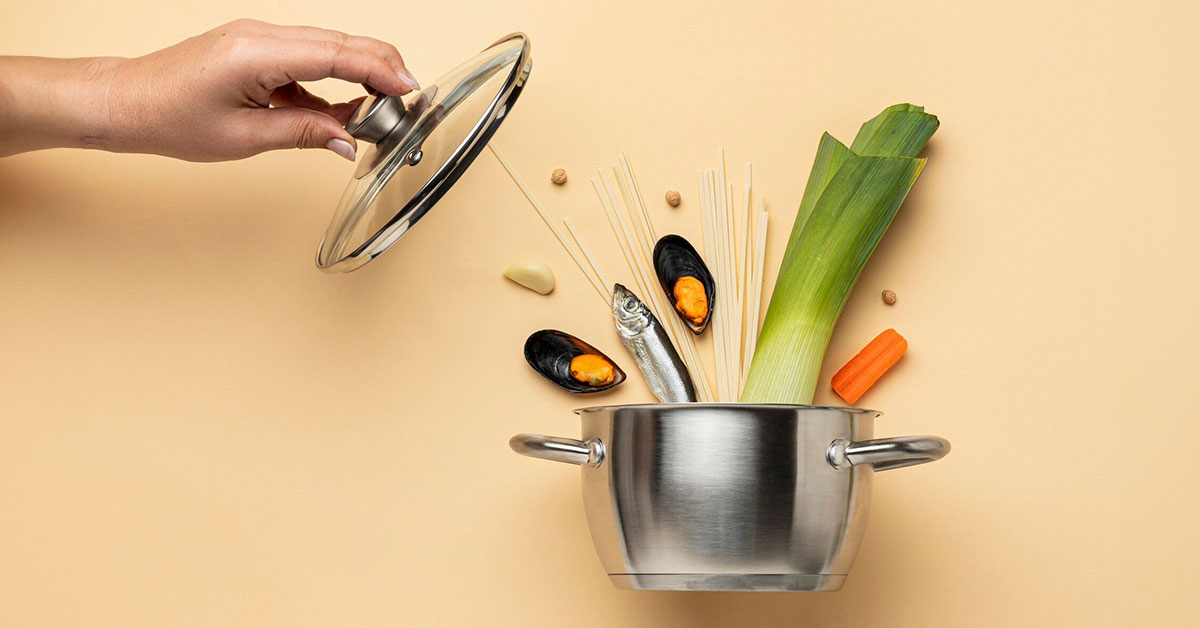
Cooking methods and food preparation techniques play a crucial role in maintaining your health. Understanding safe cooking methods and how to prepare food properly is as important as choosing what to eat. This article explores various cooking methods, highlighting both safe and harmful techniques, to help you optimize your food preparation for maximum health benefits.
Safe Cooking Methods: How to Prepare Food for Maximum Health Benefits
Today, we’ll discuss cooking methods and how to prepare food safely, as the way you cook significantly impacts your health. The method of food preparation is just as important as what you eat. It’s crucial to choose cooking techniques that ensure your food is safe and promotes good health. Let’s explore both dangerous and safe cooking methods.
Harmful Cooking Techniques
Smoking, frying, or grilling meat produces carcinogens. Certain cooking methods can also damage proteins. Denatured proteins that have lost their structure due to heating are not toxic in themselves. However, the more a protein is heated, the more it denatures, and the less likely your body can utilize its signaling molecules. Depending on your chosen cooking style, it may also oxidize fats.
As you know, polyunsaturated fats are very sensitive to heat and other chemical stressors. When heated, these oils produce compounds called dicarbonyls, which cause cell mutations and may contribute to cancer development.
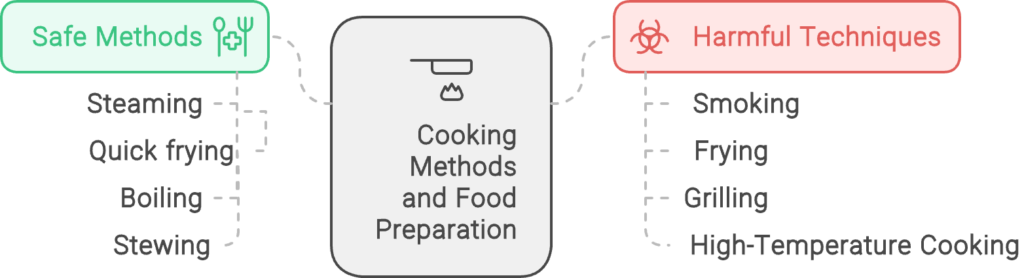
Before you start cooking, you need to know which food preparation methods will lead to the formation of these toxins in your food. To simplify, here’s a list of cooking techniques to avoid, as they are considered dangerous:
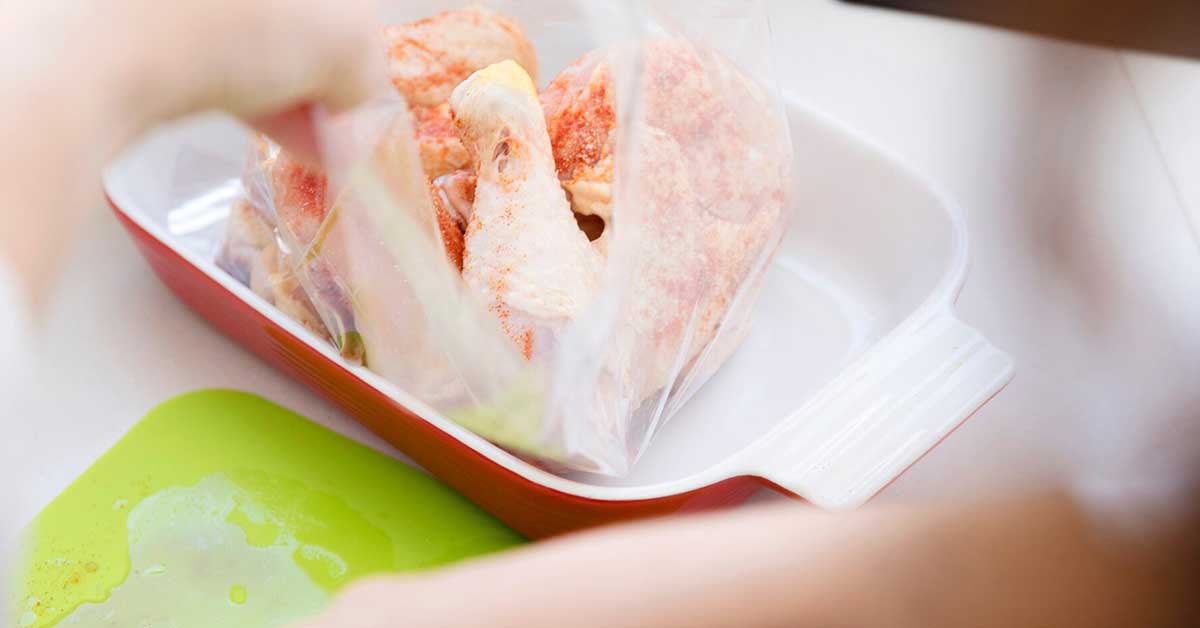
1. Sous-vide (vacuum cooking) – While it’s an excellent cooking method, it has some drawbacks. The main risk is that BPA and other compounds can leach into your food from the plastic bags used in vacuum sealing. The best way to avoid this problem is to use a fully filled glass jar instead.
2. Slow cooking (slow cooker) – This is a simple way to prepare dishes, but it has some disadvantages. Long, slow cooking breaks down collagen, making meat dishes tender and tasty. However, it can also lead to glutamate formation and overcooking of meat. Use plenty of antioxidant spices like turmeric and rosemary. Consider adding ascorbic acid powder (vitamin C) if you plan to simmer something for several hours.
3. Open flame and grill cooking uses intense heat from all sides to brown meat, denaturing proteins more than other cooking methods. Open flame cooking also oxidizes fats and leads to glutamate formation on the outside of the meat, destroying more nutrients in your food than other cooking methods. You can occasionally cook a dish over an open flame, but it shouldn’t be your regular cooking method.
4. Searing – Burning, blackening, or charring meat oxidizes fat molecules, making them inflammatory. Oxidized fats also disrupt hormonal regulation, which can make you less sensitive to insulin and thus contribute to weight gain. These methods also denature proteins, making them irritating to your immune system and more difficult to digest. They also produce mutagenic and carcinogenic substances.
5. Deep frying – The high temperatures used during frying produce a number of toxic compounds that can increase the risk of cancer.
6. Microwave – Food cooked in the microwave is completely denatured, and one (albeit controversial) study showed that microwaves cause changes in HDL, LDL, and leukocytes. Microwave ovens also tend to create large amounts of electromagnetic fields in your kitchen.
How Should You Cook Food?
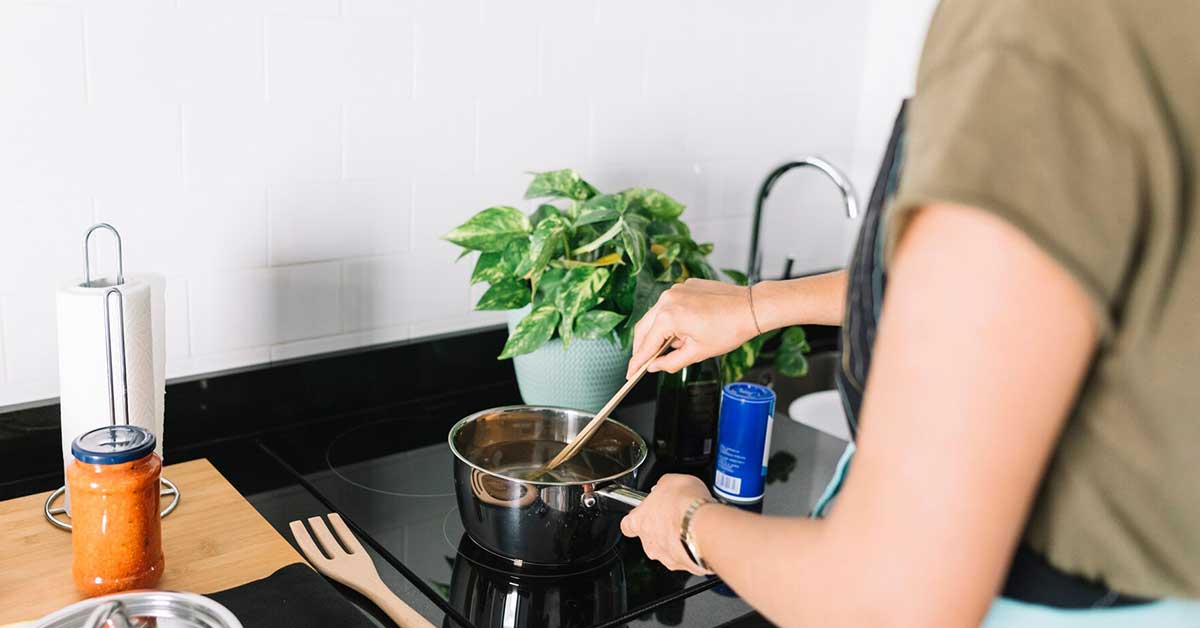
Which methods can be safe? Here’s a list:
1. Boiling
2. Steaming
3. Baking without crust
4. Multi-cooker
5. Quick frying/liquid frying
6. Stewing/simmering
Also, don’t forget that safe food preparation is possible with safe cookware. You can learn about which cookware is safe and how to choose it correctly from my masterclass on Safe Cookware. And you can read about how to create the most environmentally friendly kitchen in your home in my blog’s guide to a safe kitchen – Eco Kitchen Guide.