What’s in Season in September? A Produce Guide for the US, Canada & UK
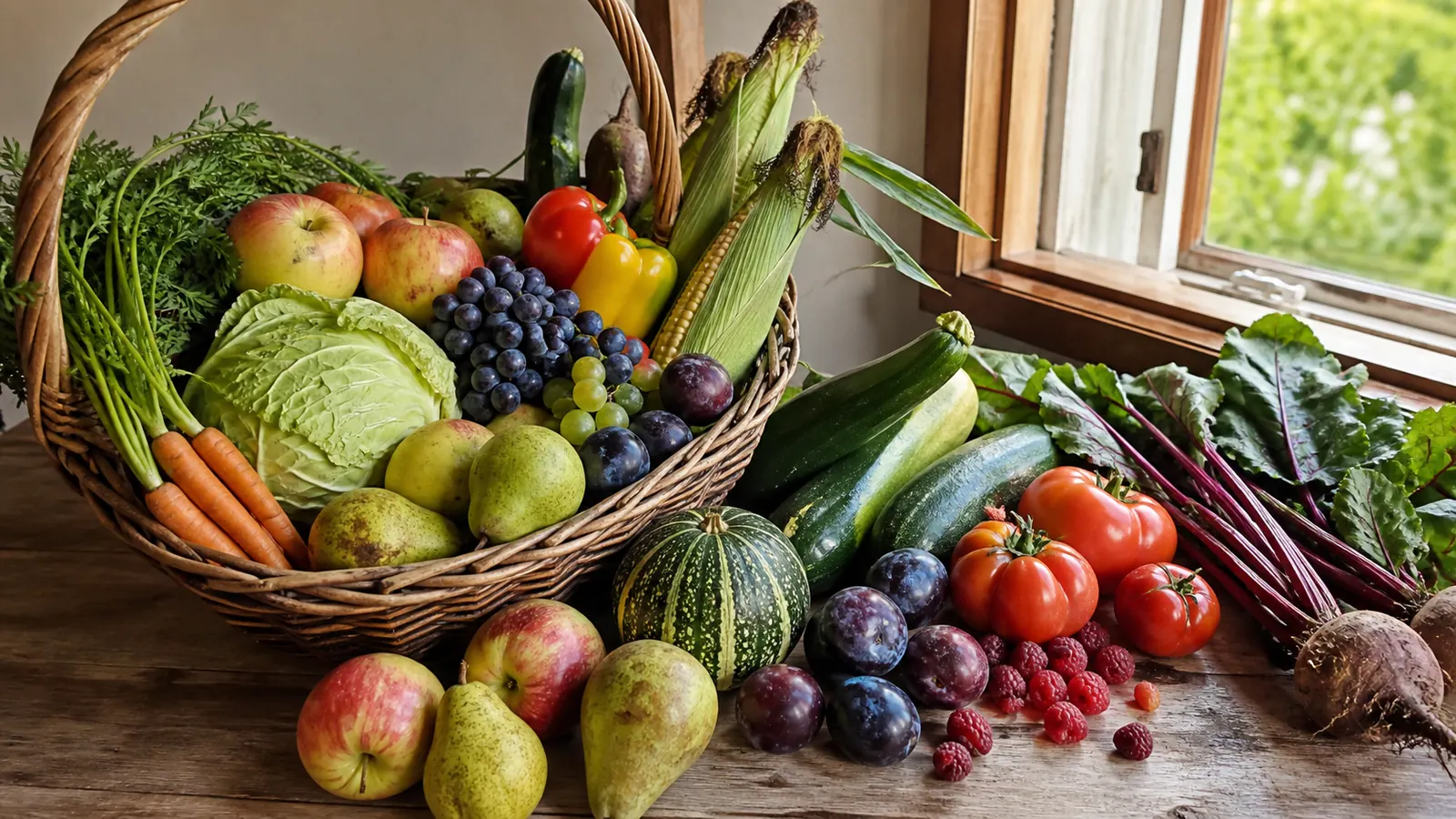
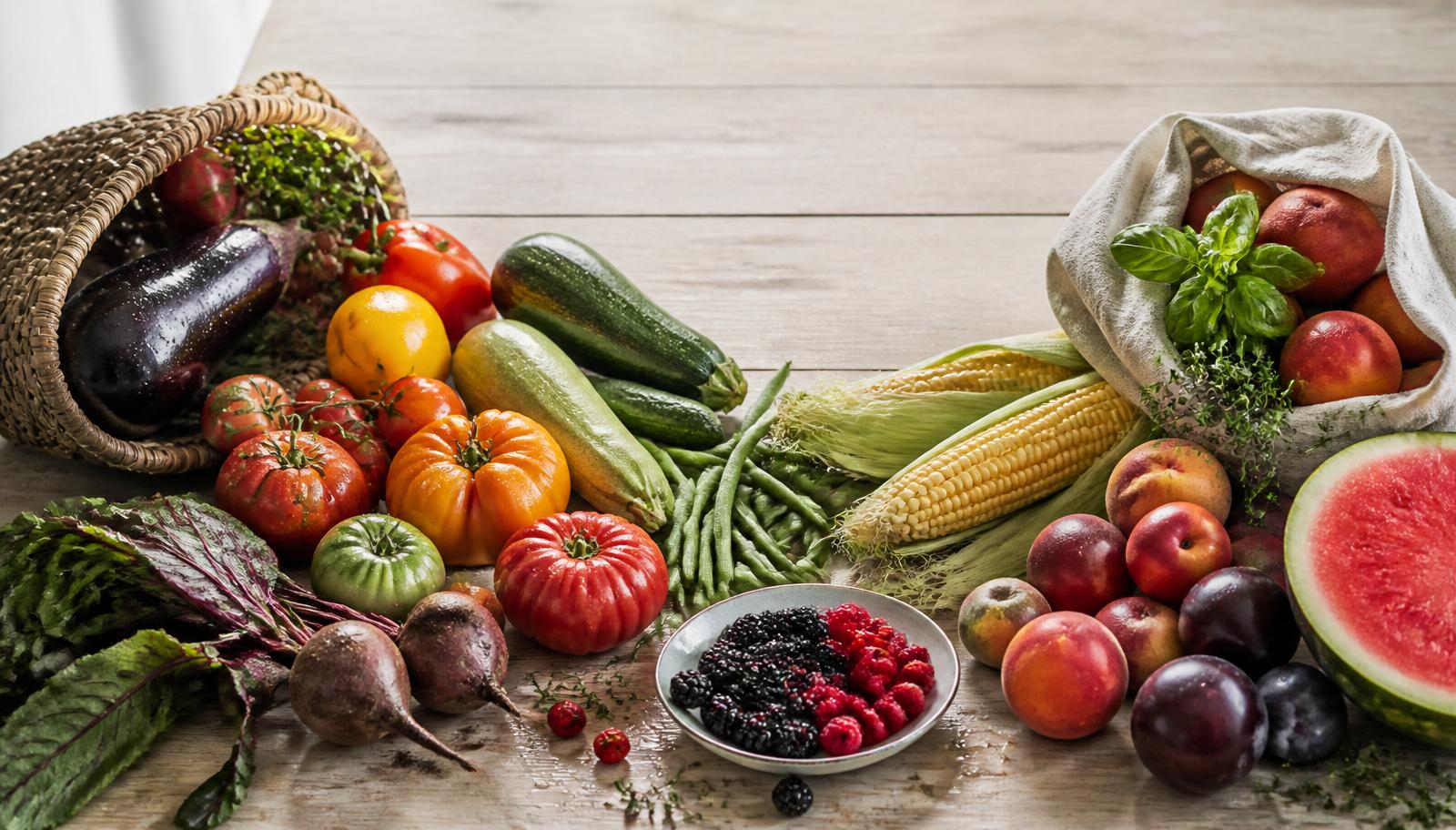
What is in season in September? Across much of the Northern Hemisphere, September is a crossover month: apples, pears, grapes and plums meet tomatoes, peppers, corn and beans, while carrots, beets, cabbage, broccoli and winter squash begin to take a larger place in the kitchen.
There is no single universal September list. Seasonality changes with latitude, local climate, growing zone, weather, crop variety and whether food is field-grown, protected or stored. A tomato may be at its peak in California while outdoor harvests are ending in Finland. Use the regional tables below as a planning guide, then check country-of-origin labels, farmers’ markets and a local agriculture calendar.
Why September seasonality changes by region
The USDA Seasonal Produce Guide explicitly notes that availability varies with local growing conditions and weather. Foodland Ontario adds that dates can shift by several weeks according to variety and weather. EUFIC divides Europe into six climatic regions because produce that is seasonal in an Atlantic climate may not match a Boreal, Continental or Mediterranean calendar.
“In season” can also mean different things in different calendars. Some describe the local field harvest; others include protected growing or produce available from storage. This guide focuses on produce commonly harvested or abundant in September, not everything a supermarket can sell that month.
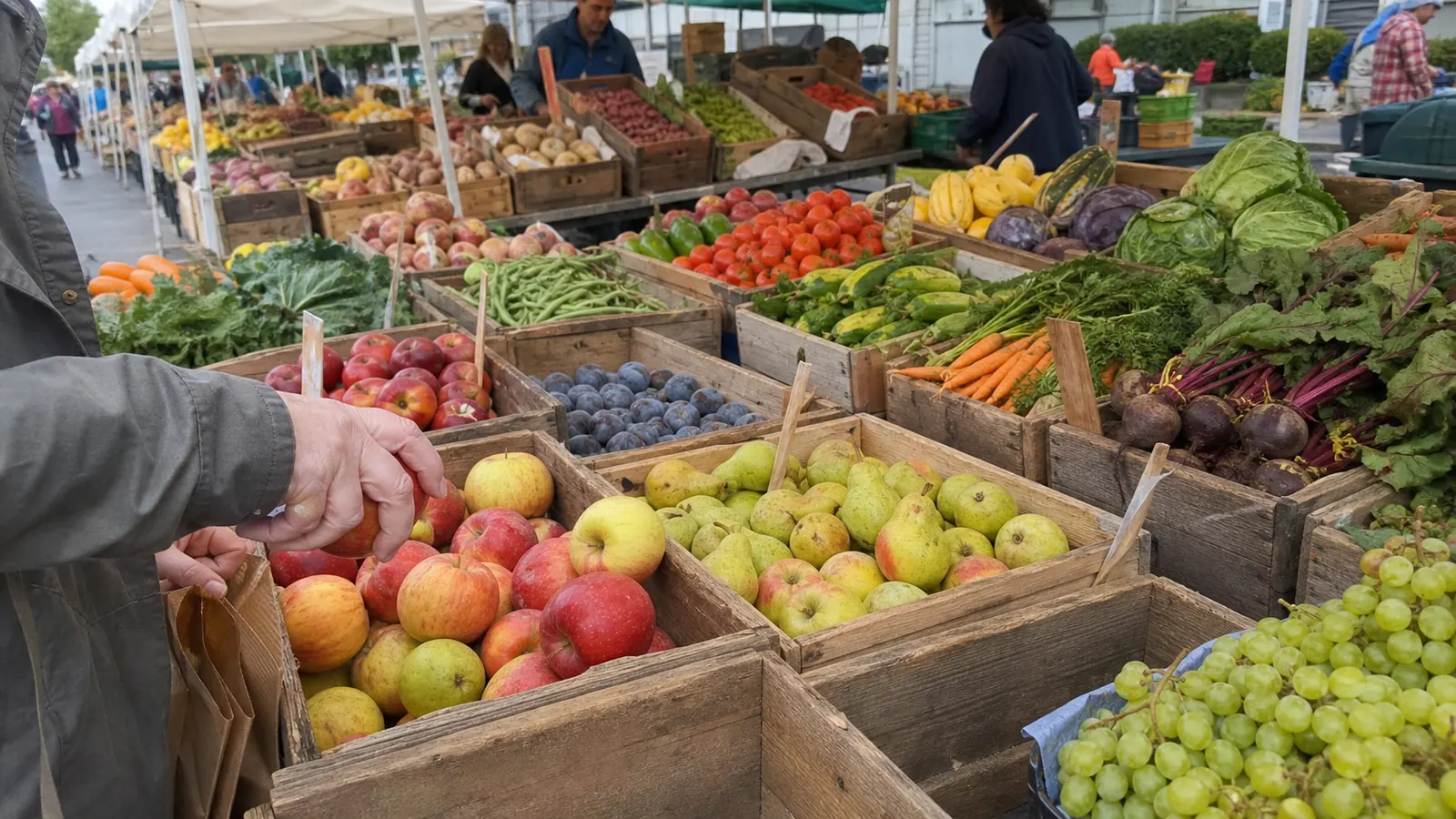
September seasonal produce by region
USA
The United States spans tropical, Mediterranean, desert, mountain and cool temperate growing areas, so this is a broad national starting point. The list combines USDA fall guidance with September calendars from the USDA Farmers Market in Washington, DC and University of California Agriculture and Natural Resources.
| Fruits | Vegetables | September transition |
|---|---|---|
| Apples, pears, grapes, raspberries; regionally plums, peaches, figs, melons and late berries | Tomatoes, peppers, corn, green beans, cucumbers, eggplant, summer squash, carrots, beets, potatoes, leafy greens; regionally okra | Winter squash, pumpkins, sweet potatoes, broccoli, cauliflower, cabbage and Brussels sprouts become more prominent; warm-climate summer crops continue longer |
Local check: state agriculture departments and Cooperative Extension calendars are more useful than a national list. Seasonal differences can be substantial even within one state.
Canada
The Ontario government provides a detailed month-by-month reference; western, Atlantic and northern provinces have different climates and harvest windows. Treat the table as an Ontario-based example rather than a claim for the whole country.
| Fruits | Vegetables | September transition |
|---|---|---|
| Apples, blueberries, cranberries, grapes, muskmelon, nectarines, peaches, pears, plums, raspberries and watermelon | Beans, beets, broccoli, cabbage, carrots, cauliflower, celery, corn, cucumbers, eggplant, kale, leeks, lettuce, parsnips, peppers, potatoes, tomatoes and zucchini | Brussels sprouts, red onions and pumpkins enter the Ontario calendar; winter squash is already available, while peaches, berries and field tomatoes approach the end of their windows |
UK
The National Trust calls September one of the most abundant months for British-grown produce: late-summer crops remain productive while orchard fruit and autumn vegetables arrive.
| Fruits | Vegetables | September transition |
|---|---|---|
| Apples, pears, autumn raspberries, blueberries, figs, plums and damsons | Beetroot, broccoli, cabbage, cauliflower, carrots, celery, chard, courgettes, cucumbers, fennel, beans, lettuce, peppers, potatoes, spinach, sweetcorn, tomatoes, onions and garlic | Apples, pears, squash and leeks move in; salads, tomatoes, courgettes, cucumbers and runner beans remain productive but begin to wind down as temperatures fall |
Northern Europe
Northern Europe is not one climate. The Atlantic coasts, Continental areas and Nordic/Boreal regions have different frost dates and daylight. This table is an editorial synthesis of EUFIC’s regional European map, with a deliberately conservative focus on produce widely grown in cooler climates.
| Fruits | Vegetables | September transition |
|---|---|---|
| Apples; regionally pears, plums, late raspberries, blackberries, blueberries or bilberries | Potatoes, carrots, beets, onions, cabbage, cauliflower, broccoli, kale, leeks, swede or rutabaga, turnips, leafy greens and squash; outdoor beans, cucumbers and tomatoes in milder areas | Roots, storage onions, brassicas and winter squash move in; delicate berries and heat-loving outdoor crops finish earlier in cooler or more northerly areas |
Fruits in season in September
Apples and pears are the clearest September thread across temperate regions. Early cultivars may be ready to eat immediately, while later varieties can improve or keep well in storage. Choose fruit that feels firm and heavy, without leaking bruises.
Grapes and plums are common in many warmer or temperate areas. Look for grapes firmly attached to flexible greenish stems and plums that yield slightly when ripe. Damsons are especially useful for cooking because their tartness softens with heat.
Late berries depend heavily on variety and climate. Autumn-fruiting raspberries can continue in the UK, Ontario and parts of the US; blueberries or blackberries may still appear locally. Use berries quickly because they deteriorate faster than orchard fruit.
Melons, peaches and figs remain September foods in some warmer areas, including parts of California and Ontario, but are not dependable markers of a Northern European September.
Vegetables in season in September
Late-summer vegetables — tomatoes, peppers, corn, beans, cucumbers, eggplant and summer squash — can still be abundant. Their season ends sooner after cool nights or frost, so local timing matters.
Roots and potatoes become dependable meal-planning ingredients. Carrots, beets, potatoes, onions, parsnips, rutabaga and turnips store better than leafy crops and work in roasting trays, soups and grain bowls.
Brassicas and leafy vegetables such as cabbage, broccoli, cauliflower, kale, chard and spinach suit cooler weather. Their exact September availability varies: some calendars show a continuous summer-to-fall crop, while others begin the main harvest in autumn.
Winter squash and pumpkins begin to arrive, particularly later in the month. Despite the name, winter squash is harvested in late summer or autumn and is called “winter” squash because mature fruit can keep well.
What is entering season — and what is leaving?
| Often entering or increasing | Often nearing the end |
|---|---|
| Apples, pears, grapes, winter squash, pumpkins, sweet potatoes, leeks, parsnips, rutabaga, turnips, broccoli, cauliflower, cabbage and Brussels sprouts | Peaches, nectarines, melons, delicate berries, tomatoes, cucumbers, peppers, sweet corn, green beans, eggplant and summer squash |
This is a transition, not a switch on September 1. A crop may be entering season in Ontario and already finishing in a colder province; tomatoes may continue through October in California but end after the first frost in a northern garden.
How to choose and store September produce
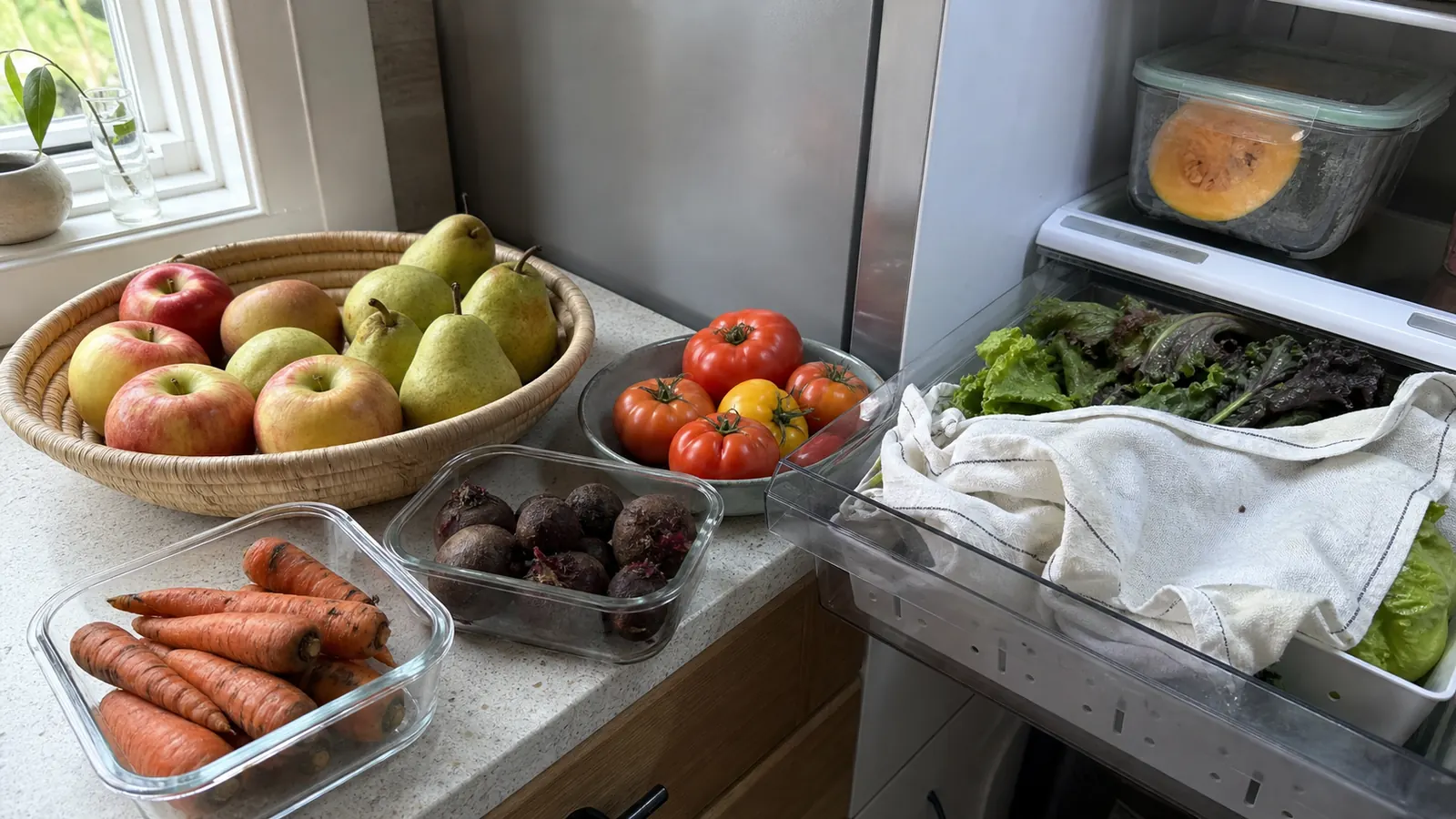
| Produce | How to choose | Practical storage |
|---|---|---|
| Apples | Firm, fragrant and free of wet bruises | Keep a few at room temperature; refrigerate the rest and remove damaged fruit |
| Pears | Unbroken skin; ripeness depends on variety | Ripen at room temperature, then refrigerate ripe fruit |
| Grapes and berries | Dry fruit with no mold or leaking juice | Refrigerate unwashed and rinse just before eating |
| Tomatoes | Heavy, aromatic and appropriately colored for the variety | Keep sound tomatoes at room temperature; refrigerate very ripe or cut tomatoes and use soon |
| Leafy greens | Crisp leaves without slime or yellowing | Refrigerate dry or loosely wrapped; wash close to use |
| Carrots and beets | Firm roots without soft spots | Remove leafy tops and refrigerate roots; store the edible greens separately |
| Winter squash | Hard rind, dry intact stem and no soft patches | Keep whole squash in a cool, dry, ventilated place; refrigerate cut pieces |
Wash produce under clean running water before cutting or eating; soap is not needed. If your refrigerator or product label gives more specific directions, follow those. For broader everyday planning, see my practical healthy eating tips.
Seven simple ways to use September fruits and vegetables
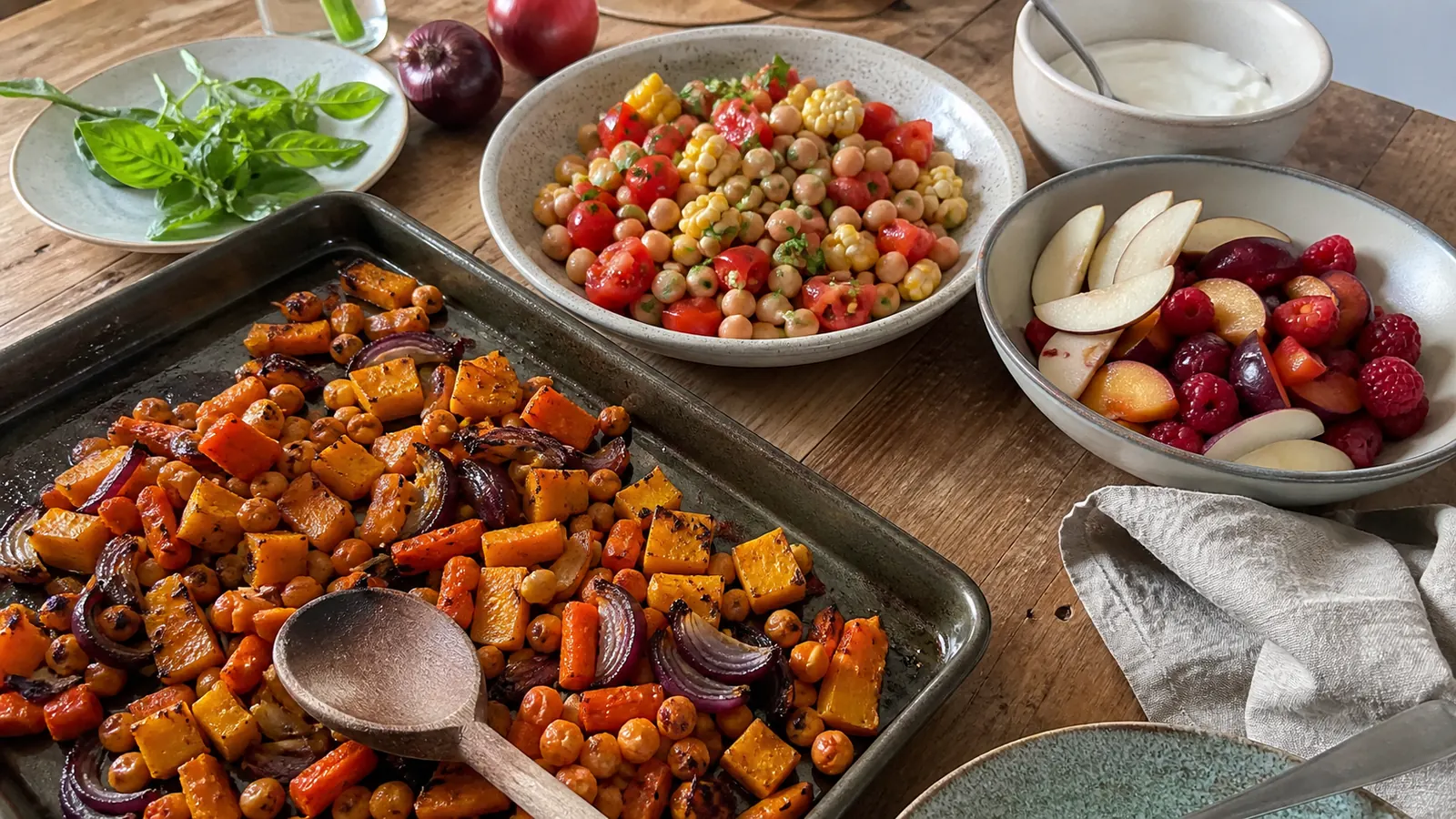
- Roast a flexible tray. Combine squash, carrots, red onion and chickpeas; use it with grains, eggs or a simple yogurt sauce.
- Make a tomato, corn and bean salad. Add herbs and a lemon-olive oil dressing for lunch or a side dish.
- Cook a late-summer tomato orzo. Use ripe tomatoes in my tomato orzo recipe, with zucchini or peppers if you have them.
- Turn apples and pears into breakfast. Slice into oats, cook a low-sugar compote or serve with plain yogurt and nuts.
- Build a crisp slaw. Shred cabbage and carrots; add apple, seeds and a mustard dressing.
- Blend a vegetable soup. Roast tomatoes and peppers for a late-summer version, or use squash and carrots when the weather cools.
- Freeze or cook the fragile foods first. Use ripe plums and berries in compote, or freeze clean dry fruit in a single layer before transferring it to a container.
September is ideal for a “use summer first, store autumn for later” rhythm. Eat ripe berries, tomatoes and corn early in the week; save cabbage, roots, apples and squash for later. If you want the wider month-by-month framework, explore my Seasonal Foods Guide or compare the transition with what is in season in August.
Frequently asked questions
What fruits are in season in September?
Apples, pears, grapes, plums and late raspberries are common September fruits across many temperate Northern Hemisphere regions. Melons, peaches, figs, blackberries or blueberries may also be available locally. Exact timing varies by climate, variety and weather.
What vegetables are in season in September?
September often brings tomatoes, peppers, corn, beans and summer squash alongside carrots, beets, potatoes, cabbage, broccoli, cauliflower, leeks and the first winter squash. The mix differs substantially between warm and cool growing regions.
What is in season in September in the UK?
Typical British September produce includes apples, pears, plums, damsons, figs, autumn raspberries, tomatoes, courgettes, cucumbers, beans, sweetcorn, beetroot, broccoli, cabbage, cauliflower, carrots, potatoes and leafy vegetables.
Is September produce the same across the US and Canada?
No. The US spans very different climates, while Canadian seasons also vary by province and growing zone. Ontario, for example, has local grapes, pears, plums, raspberries, tomatoes, corn, peppers, squash and many cool-season vegetables in September, but another region may have a shorter or different harvest window.
Is seasonal produce always local or cheaper?
No. Seasonal and local are related but not identical, and price also depends on weather, harvest volume, transport, retailer and demand. Use origin labels and regional calendars as practical clues rather than strict rules.
Sources and method
The regional tables are a conservative editorial synthesis, not a forecast for every farm or year. The principal sources were:
- USDA SNAP-Ed Seasonal Produce Guide — national fall produce and the regional/weather caveat.
- USDA Farmers Market produce calendar — a Mid-Atlantic September reference.
- University of California Agriculture and Natural Resources harvest calendar — a warm-climate US comparison.
- Foodland Ontario Availability Guide — month-by-month Ontario fruit and vegetable dates.
- National Trust Guide to Seasonal Food — September harvests in the UK.
- European Food Information Council seasonal map — Europe’s six climate regions and variability warning.
Seasonal eating is a flexible way to find variety, not a requirement to avoid frozen, canned, stored or imported produce. Choose the foods that are accessible, affordable and useful in your household.